Top Types of Wheel Lug Bolts for Your Vehicle?
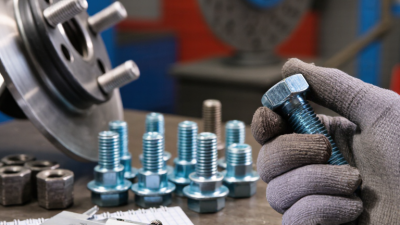
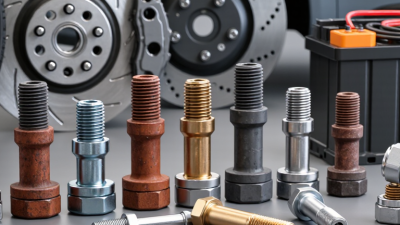
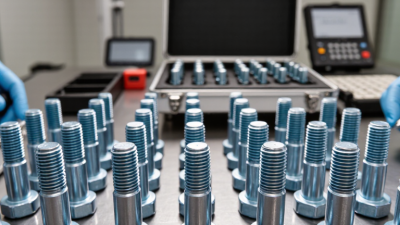
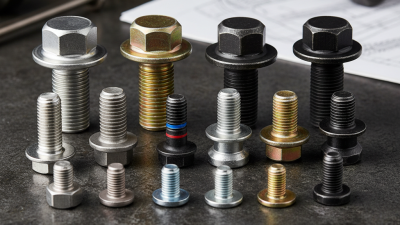
Wheel Lug Bolts secure a wheel directly to a vehicle’s hub, so their shape and dimensions matter. Unlike a stud-and-nut setup, each bolt threads into the hub itself. The wrong seat style or thread length can prevent proper contact, even when the bolt appears to fit. Small details count. Common options include conical-seat, ball-seat, and flat-seat bolts, along with spline-drive designs that use a special socket. Some vehicles also require extended-shank bolts for specific wheel shapes.
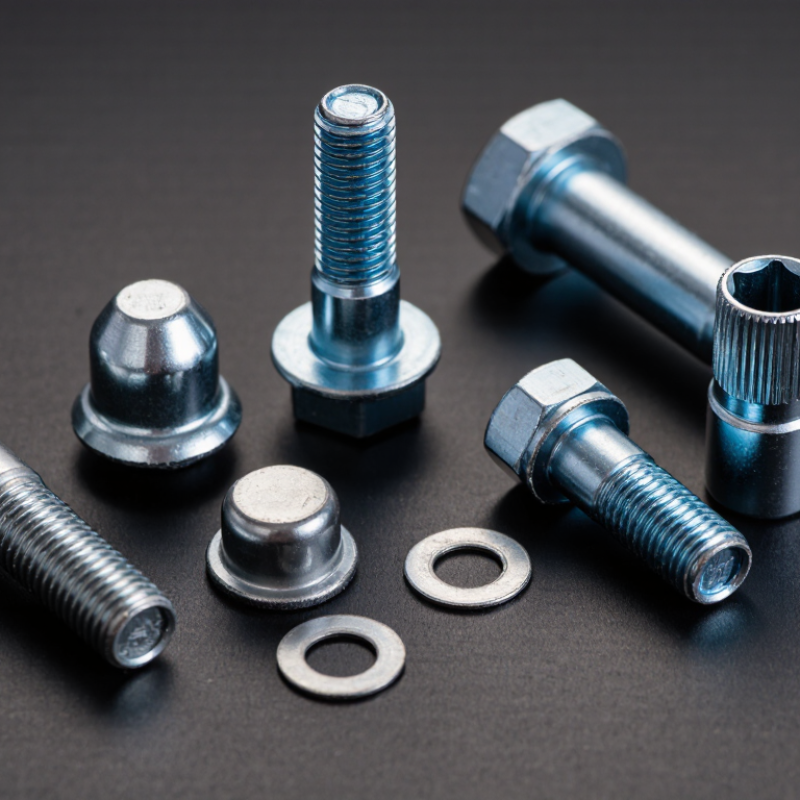
This guide compares the main types and explains where their designs differ. A conical seat narrows toward the wheel opening, while a ball seat has a rounded contact surface. Flat-seat bolts may use a washer, and spline-drive bolts have a narrower head that can help with limited clearance. These descriptions are useful, but they do not confirm fitment for a particular vehicle. It is easy to assume that matching thread diameter is enough. It is not. Check the vehicle or wheel manufacturer’s specifications for thread pitch, bolt length, seat type, and tightening torque. A service manual or qualified technician can help verify those details, especially after changing wheels. Even a clean-looking installation deserves a careful check. Choosing the right Wheel Lug Bolts is a small job with real consequences, and wheel designs can make the answer less obvious than expected.
How Wheel Lug Bolts Secure a Wheel to the Vehicle Hub
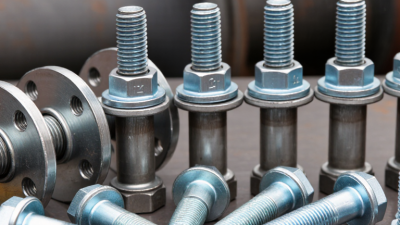
A wheel lug bolt does more than hold a wheel in place. Tightening it stretches the bolt slightly, creating clamp force that presses the wheel firmly against the hub. This force helps keep the joint stable under braking, cornering, and road vibration. The bolt’s seat must also match the wheel: a mismatched taper or ball seat can concentrate pressure in the wrong spot. Small detail. Big consequence.
Fastener strength varies. ISO 898-1:2013 lists a minimum tensile strength of 1,040 MPa and proof stress of 830 MPa for property class 10.9 steel fasteners. These figures describe a material class, not every wheel bolt; vehicle-specific specifications still matter. SAE J2530, an aftermarket-wheel performance standard, includes radial-fatigue, cornering-fatigue, and impact testing. Those tests show why a wheel joint must withstand repeated loads, not just a single tightening event.
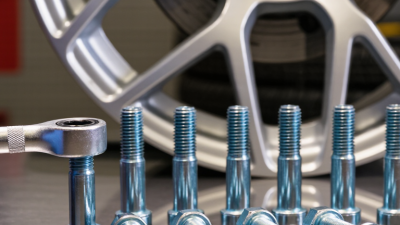
Use the vehicle maker’s torque specification and the correct bolt length and seat shape. Tighten in a star pattern with a calibrated torque wrench, on clean mating surfaces. Avoid guessing by feel. Too little clamp force can let the joint move; excess torque can damage threads or distort components. Recheck guidance varies by vehicle and wheel setup, so consult the service manual. A quick recheck is easy to overlook.
How Wheel Lug Bolts Are Classified by Seat Design
Top Types of Wheel Lug Bolts for Your Vehicle?
How Wheel Lug Bolts Are Classified by Seat Design
Wheel lug bolts are often classified by the shape of the seat that contacts the wheel. The three common designs are conical, ball, and flat seats. A conical seat has angled sides, often forming a 60-degree taper, that help center the bolt as it tightens. A ball seat has a rounded contact surface instead. It may look similar at a glance, but it is not interchangeable with a cone seat. Small differences matter.
Flat-seat bolts use a flat contact area, often with a washer beneath the bolt head. Some designs have a longer shank that passes through the wheel. The correct seat depends on the wheel’s specified design, not just the vehicle’s make or model. Check the wheel documentation or compare the bolt with a confirmed correct fitting. Seat shape is only one detail; thread size, pitch, and usable length must also match. It’s easy to overlook that.
Tips: Look closely at the wheel’s bolt holes and existing hardware. Don’t force a bolt that feels tight before its seat meets the wheel. Use a torque wrench and the vehicle or wheel maker’s stated torque value; guessing can damage threads or affect clamping.
Conical-Seat Lug Bolts and Their Typical Applications
Conical-seat lug bolts use a tapered contact surface, commonly cut at 60 degrees, to center a wheel against its mounting seat. They are used only when the wheel is designed for that profile. Many aftermarket wheels use conical seats, while some original wheels require a rounded seat instead. The shapes are not interchangeable: a mismatched bolt may contact only a narrow edge, reducing secure seating. Check the wheel maker’s specifications for seat angle, thread size, bolt length, and required torque. Small details matter.
A practical fit check is to compare the bolt’s taper with the wheel’s countersink and confirm the bolt does not bottom out before clamping the wheel. Keep threads clean, and follow the vehicle or wheel maker’s torque procedure. The Tire Industry Association’s wheel-installation guidance recommends rechecking fastener torque after about 50–100 miles of driving. That range is useful, but it does not replace the vehicle-specific specification. I’ve seen fitment checks focus on thread diameter and miss seat shape; that shortcut deserves a second look, especially after changing wheels.
Ball-Seat and Flat-Seat Lug Bolts: Key Differences
Ball-seat and flat-seat lug bolts may look similar in a parts tray, but their contact surfaces differ. A ball-seat bolt has a rounded, curved base that mates with a matching rounded recess in the wheel. A flat-seat bolt uses a flat shoulder, often with a washer, against a level mounting surface. That small difference matters. The seat helps position the wheel and spread clamping force across the joint. When the shapes do not match, contact can be uneven, even if the bolt threads seem to fit.
Check the wheel’s specifications before choosing replacement bolts; never identify the seat by appearance alone. A ball seat is not a substitute for a flat seat, or vice versa. Do not guess. Also confirm thread diameter, pitch, bolt length, and the required tightening torque. A bolt that is too long may interfere with components behind the hub, while one that is too short may not engage enough threads. It is easy to focus only on thread fit, and that is a mistake worth catching early. If the seat profile is unclear, compare the wheel’s documentation or ask a qualified technician to inspect it. A careful fit check beats discovering a mismatch after installation.
Spline-Drive and Extended-Thread Lug Bolts for Specialized Fitments
Spline-drive lug bolts suit wheels with narrow, recessed openings. Their patterned heads need a matching key, while the compact profile can reduce socket contact with the wheel face. Extended-thread bolts serve a different need: wheels with thicker mounting pads or fitments requiring more thread engagement. Neither design is automatically safer. Match the bolt’s seat shape, diameter, pitch, length, and material to the wheel and vehicle specifications.
SEMA’s 2023 Market Report valued the U.S. specialty-equipment market at $52.3 billion in 2022, reflecting a wide range of customized vehicle setups. That figure covers the broader market, not lug-bolt sales, but it underscores why fitment details matter. SAE J2530 evaluates aftermarket wheels through tests including radial fatigue and cornering fatigue; it does not certify a bolt for every wheel. A wrong seat can concentrate force, and extra thread length can interfere with components behind the hub.
Tips: Measure the mounting pad and check thread engagement against the vehicle or wheel maker’s specification. Confirm the seat profile before tightening, then use a calibrated torque wrench. Don’t guess. Even experienced installers can overlook a small seat mismatch, so recheck the hardware before driving.