Leave Your Message
Truck fasteners face a harder life than their small size suggests. A single wheel-end bolt may endure vibration, heat, road salt, and repeated load cycles. Choosing the right type matters for safety, maintenance, and service life. Yet no credible industry report ranks truck bolt types for every vehicle and application. The best choice depends on the joint, material, load, and service conditions.
The Commercial Vehicle Safety Alliance’s 2023 International Roadcheck report recorded 59,429 inspections, with 19.3% of inspected commercial vehicles placed out of service. That figure does not measure fastener failures. It does show why inspection and maintenance deserve attention across heavy-duty fleets. Standards such as SAE J429 and ASTM specifications help buyers verify properties including strength and material requirements. Always check the applicable specification and vehicle-maker guidance before selecting a replacement.
This guide compares common options, from hex-head and flange bolts to wheel studs and high-strength structural fasteners. It explains where each type is used, what markings to inspect, and how corrosion or incorrect tightening can affect performance. A “Trcuk Fastener Bolt” search may return mixed terminology, so we will clarify the names and uses. Small detail. Big consequences. Even experienced technicians can overlook application-specific requirements; this guide is a starting point, not a substitute for the manufacturer’s service instructions.
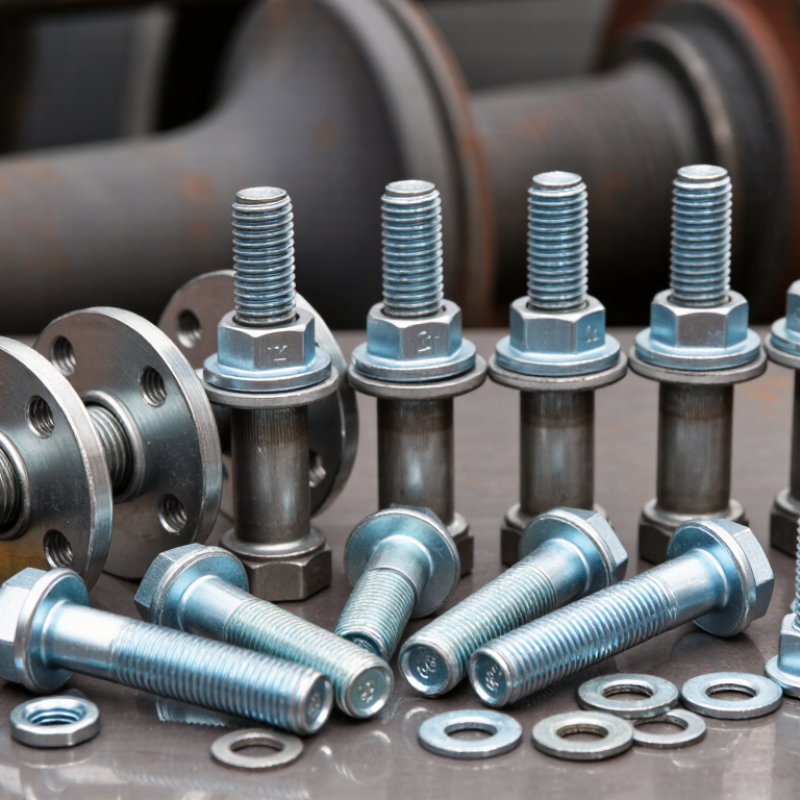
Truck fastener bolts are threaded steel components that clamp wheels, suspension links, frames, and driveline parts together. Their job is not simply to resist a straight pull. A wheel joint, for example, faces clamp force, braking shear, cornering loads, road shock, and repeated vibration. Loose joints can shift; overly tightened bolts can stretch or damage threads. Real service is messier than a bench test, and torque alone does not reveal every problem.
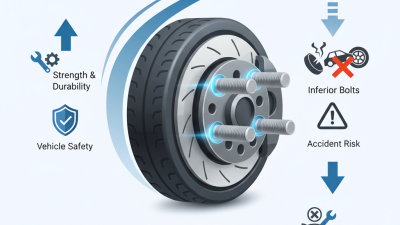
Published material-property figures help put bolt strength in context. SAE J429 Grade 8 fasteners in specified sizes have a minimum tensile strength of 150 ksi and a proof stress of 120 ksi. ISO 898-1 gives property class 10.9 fasteners a minimum tensile strength of 1,040 MPa for diameters up to 16 mm. These are fastener material values, not safe load ratings for a complete truck joint. Joint design also depends on bolt size, grip length, thread engagement, clamped materials, and how loads are shared. I would not assume a stronger bolt automatically fixes a weak joint.
Tip: Match the specified grade, use the correct tightening procedure, and inspect for rust, looseness, or damaged threads. Keep the washer and mating surfaces clean. Small details matter. A missed seating issue can undermine an otherwise sound installation.
| Truck Fastener Type | Common Applications | Typical Specification Route | Loads and Conditions to Withstand | Key Selection Checks |
|---|---|---|---|---|
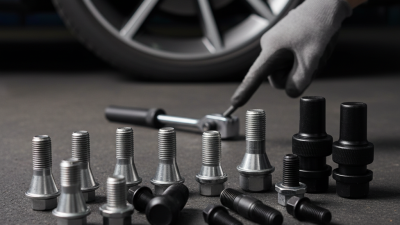
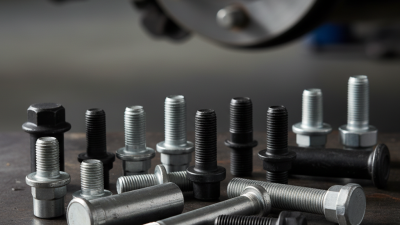
| High-strength hex-head bolts | Frame brackets, crossmembers, steering supports, and other bolted structural joints. | Specified by the vehicle or joint design; inch fasteners may use SAE J429 grades, while metric fasteners may use ISO 898-1 property classes such as 8.8 or 10.9. | Preload and tensile force, joint shear, repeated load cycles, vibration, and occasional impact. The joint design determines whether the bolt is loaded in tension, shear, or both. | Match the specified grade or property class, diameter, thread pitch, grip length, coating, and tightening procedure. Do not treat strength grades as interchangeable. |
| Flange-head bolts | Engine accessories, brackets, transmission components, and assemblies where a built-in bearing face is specified. | Use the application’s specified material grade, flange dimensions, thread, and finish. A flange head does not by itself indicate a higher strength class. | Clamp load, tensile loading, vibration, and local bearing pressure beneath the head; in some joints, thermal cycling is also relevant. | Confirm flange diameter and bearing surface, head clearance, thread engagement, and whether a washer is required or prohibited by the design. |
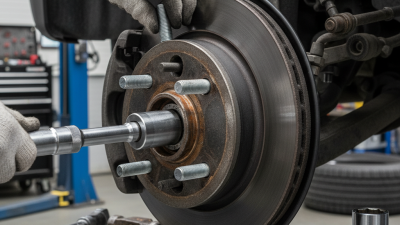
| Wheel studs and wheel nuts | Wheel-to-hub attachment on road vehicles and trucks. | Follow the vehicle and wheel specification for stud, nut, thread, seat geometry, and tightening torque. These are application-specific wheel fasteners, not generic substitutes for chassis bolts. | Clamping force, repeated wheel loads, braking and cornering forces, vibration, and fatigue during service. | Verify thread size and direction, nut seat type, wheel compatibility, cleanliness, and the specified tightening sequence and torque. Incorrect seating or torque can compromise clamping. |
| U-bolts and suspension fasteners | Leaf-spring axle attachment and other suspension clamping arrangements. | Use the specified U-bolt dimensions, material, finish, and nut arrangement for the axle and suspension design; do not infer suitability from a standard bolt grade alone. | Sustained clamp load, suspension movement, cyclic bending and tensile effects, road shock, and exposure to water, salt, and debris. | Check leg length, bend dimensions, thread length, plate fit, and the specified tightening or retightening procedure. Reuse rules depend on the application instructions. |
| Engine and driveline fasteners | Engine mounts, flywheels, bell housings, driveshaft flanges, and related rotating or powertrain components. | Use the component maker’s specified fastener, strength class, and tightening method; some joints require controlled torque-angle tightening or special fasteners. | Tensile preload, cyclic torque, vibration, temperature changes, and fatigue. Rotating assemblies may have particularly strict balance and retention requirements. | Confirm the exact part specification, thread engagement, lubrication condition, tightening sequence, and whether the fastener is reusable. |
| Corrosion-resistant bolts | Selected exterior, body, or equipment attachments where corrosion exposure is a key concern. | Material and strength must be specified for the joint. Stainless-steel fasteners are not automatic replacements for high-strength steel bolts. | Joint loads plus moisture, road salt, and other corrosive exposure; galling and loss of clamping performance may also matter for some material pairs. | Check required strength, coating or material compatibility, corrosion environment, and tightening method. Avoid mixing materials without assessing galvanic corrosion risk. |
Engineering note: Truck fastener bolts are threaded components that secure vehicle parts by creating and maintaining a clamped joint. Their required capacity depends on bolt size and grade, joint design, installation, and service conditions. Select replacements using the vehicle or component specification; a bolt’s appearance or nominal diameter alone does not establish suitability.