How to Choose the Right Hub Studs for Your Vehicle?
When it comes to vehicle maintenance, choosing the right hub studs can make a significant difference. According to John Taylor, an automotive engineer with over 15 years of experience, “Your hub studs are vital for wheel safety and performance.” Ensuring you select the appropriate hub studs enhances both performance and safety.
Hub studs serve as the connecting point between your wheels and the vehicle’s axle. They experience substantial stress and torque during driving, so selecting high-quality materials is critical. Many people overlook this component, focusing more on tires or brakes. However, a failure in hub studs can lead to serious issues, including wheel detachment.
Understanding the specifications for your vehicle is essential. Different makes and models require distinct hub stud sizes and thread patterns. Researching and consulting expert sources can save you time and money. It’s also wise to consider the brand reputation. Reliable brands often offer products that withstand the test of time. Choosing the incorrect hub studs not only risks vehicle performance but can also compromise safety. Aim for knowledge and trust in your decision-making process.

Understanding Hub Studs: A Comprehensive Overview
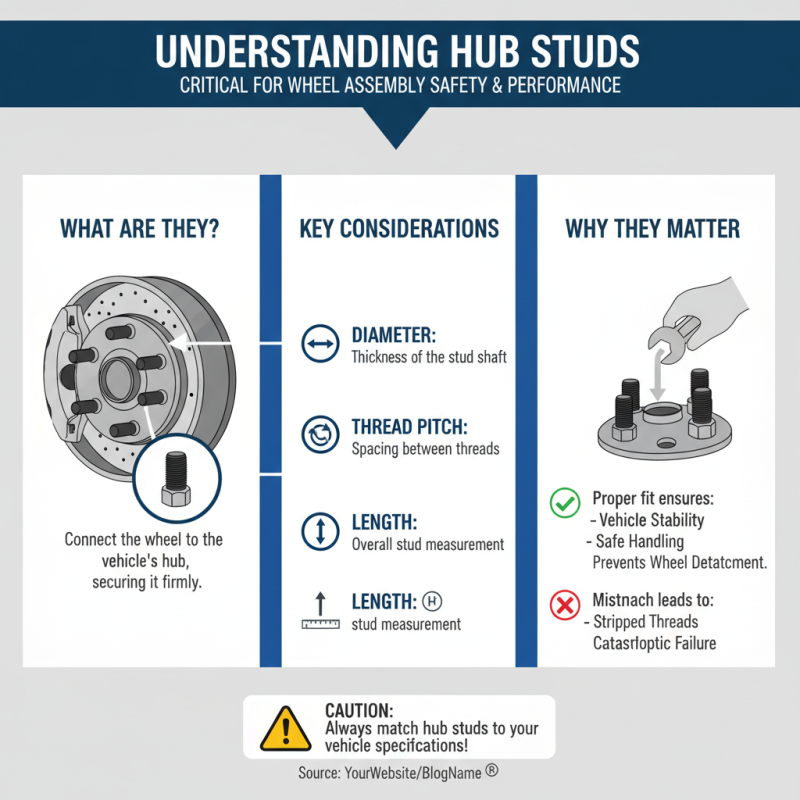
Hub studs are critical components for any vehicle's wheel assembly. They connect the wheel to the hub and are essential for maintaining safety and performance. Choosing the right hub studs requires understanding their specifications and compatibility with your vehicle. Diameter, thread pitch, and length are key factors to consider. A mismatch can lead to serious issues.
It's important to note that not all hub studs are created equal. Various materials are available, each offering different strengths and weaknesses. For instance, high-carbon steel might provide strength, but could lack corrosion resistance. You may overlook these details during selection, potentially risking your vehicle’s integrity. Visual inspection plays a role, too. Signs of wear and tear can indicate when it's time for a replacement.
During the selection process, it can be hard to navigate through options. You may find yourself unsure about ratings or recommendations. Some manufacturers might prioritize cost over quality, which can lead to regret later. It’s wise to consult with a professional when needed. Remember, your vehicle’s safety depends on these seemingly small components. Familiarizing yourself with hub stud specifications can make a significant difference.
Factors to Consider When Choosing Hub Studs for Your Vehicle
Choosing hub studs for your vehicle involves several key factors. The first consideration is the size and thread pitch. Proper fit ensures that the studs can withstand the forces during driving. Industry data indicates that approximately 30% of wheel failures are due to incorrect stud size. Always refer to the manufacturer’s specifications.
Material quality is another critical factor. Hub studs are typically made from steel or alloy. Steel provides strength, while alloy can reduce weight. Research shows that high-strength materials improve durability and performance. Consider studs with heat treatment for increased resistance to wear and breakage.
Torque specifications should not be neglected. Over-tightening can lead to stud failure, while under-tightening risks wheel detachment. Automotive studies report that up to 15% of road accidents stem from loose wheels. Regular checks on torque can prevent such issues. Choosing the right hub studs can significantly enhance vehicle safety and performance.
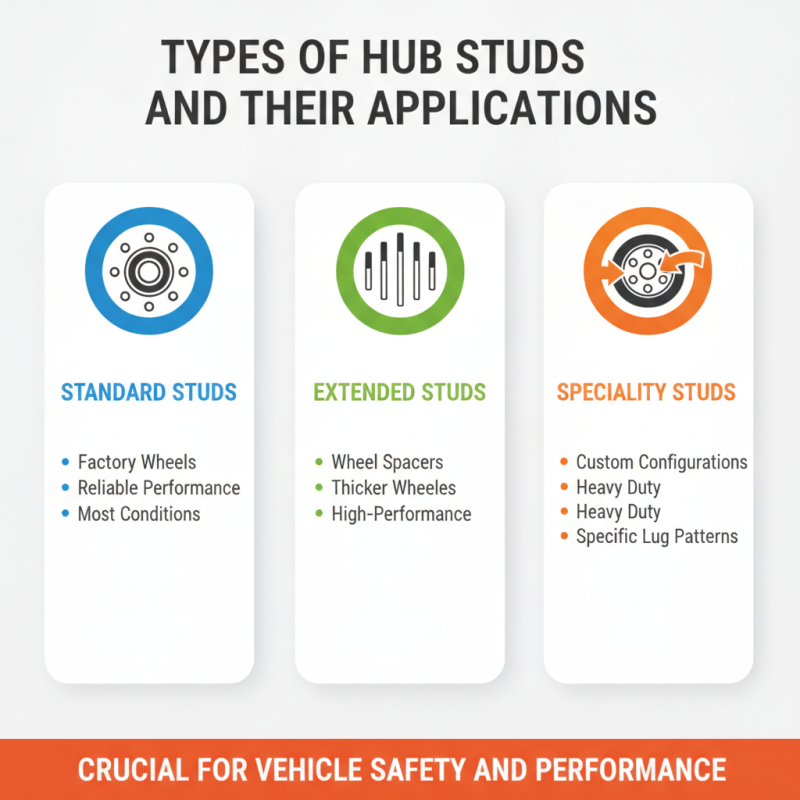
Types of Hub Studs and Their Applications
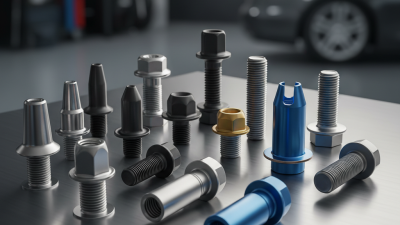
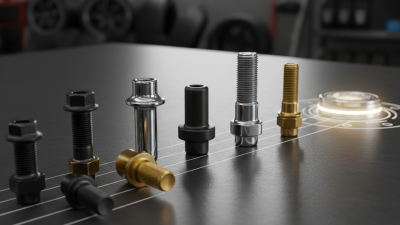
Choosing the right hub studs is crucial for vehicle safety and performance. There are several types of hub studs, each suited for specific applications. The most common types include standard studs, extended studs, and those designed for specific wheel configurations. Standard studs are typically used for factory wheels and offer reliable performance in most conditions.
Extended studs provide additional length, which is beneficial for thick aftermarket wheel spacers. They enhance the wheel's grip and ensure that it remains securely fastened. However, using extended studs can sometimes lead to misalignment issues if not installed correctly. It's essential to double-check compatibility during installation.
Specialty hub studs are available for racing or heavy-duty applications. These studs are engineered to withstand greater stress and heat. Selecting these requires careful consideration of your vehicle's performance requirements. Improper choices might lead to failure during use. Always consult professional guidance to avoid pitfalls. Understanding the specifics can make a significant difference in your vehicle's performance and safety.
Measuring and Pricing Hub Studs for Your Needs
When selecting hub studs for your vehicle, accurate measurement is essential. Start by checking the diameter of the stud hole. Use a caliper for precise measurement. This small detail impacts the stud's fit and function. Next, measure the stud's length. It should be long enough for proper engagement but not too long to interfere with other components.
Pricing varies widely based on materials and sizes. High-quality studs might cost more upfront. They often provide better performance and durability. Consider the vehicle’s weight and intended use when assessing what to invest in. For heavy-duty applications, investing in sturdier options makes sense.
You might find gaps in your understanding when exploring specifications. It's not always clear what you need. This uncertainty can lead to purchasing the wrong size or type. Take the time to research and consult experts. This can save you money and hassle in the long run. Your vehicle deserves the right parts for safety and efficiency.
Installation Tips for Hub Studs and Maintenance Considerations
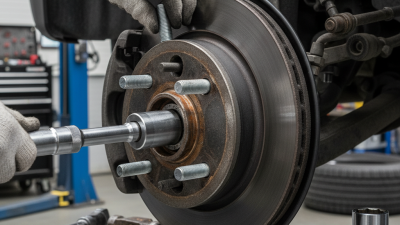
When installing hub studs, proper technique is crucial for safety and performance. Begin by securing your vehicle on a level surface. Make sure you have the necessary tools: a lug wrench and a torque wrench. Remove the wheel and inspect the brake components to ensure no underlying issues affect the hub studs.
**Tip:** When torquing the hub studs, follow a crisscross pattern. This helps distribute the load evenly and prevents warping. Be cautious not to overtighten, as this can lead to distortion.
Regular maintenance of hub studs is essential. Check for signs of wear, such as rust or bending. These can indicate that it’s time for a replacement. Keeping them clean improves vehicle performance. Use a lubricant on the threads to ease installation next time.
**Tip:** Inspect your hub studs every few months during routine maintenance. This proactive approach can save you from costly repairs later. Remember, your safety depends on trusting your vehicle’s components.
Hub Studs Selection and Maintenance
This chart illustrates the average torque specifications for various vehicles, which is crucial when choosing the right hub studs. Proper torque ensures safety and reliability.