Essential Tips for Choosing the Right Wheel Bolts?
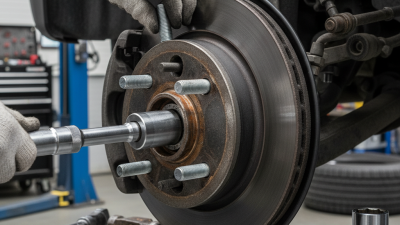
Choosing the right wheel bolts can be a daunting task for many car enthusiasts. Wheel bolts are crucial for the safety and performance of your vehicle. They hold your wheels securely in place, ensuring a smooth and safe ride.
Understanding the specifications of wheel bolts is essential. Different vehicles require different sizes and types. A mismatch can lead to dangerous situations. Many drivers overlook this detail and face unfortunate consequences.
Quality matters when selecting wheel bolts. Opting for cheap alternatives might save money but can compromise safety. Reliable brands usually provide consistent performance and durability. Investing in the right wheel bolts not only enhances safety but also improves your driving experience. Make informed choices to ensure your vehicle runs efficiently.
Understanding Wheel Bolt Types and Specifications
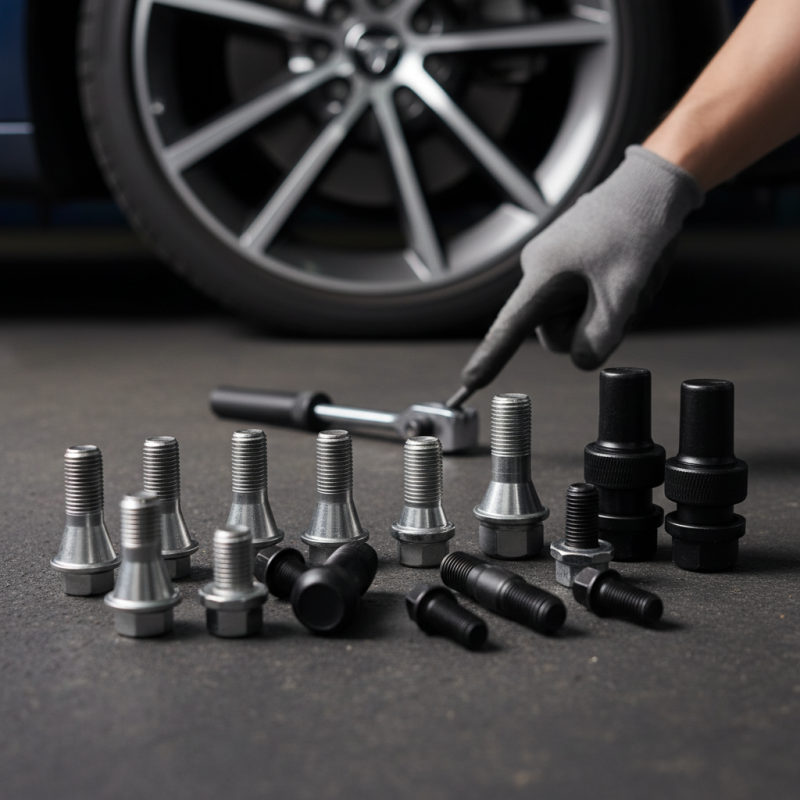
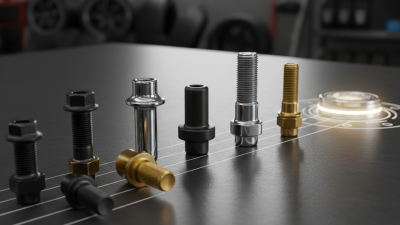
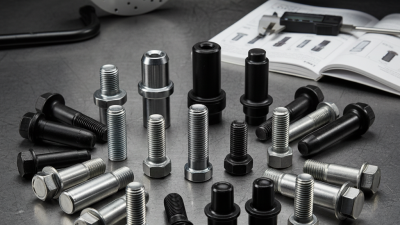
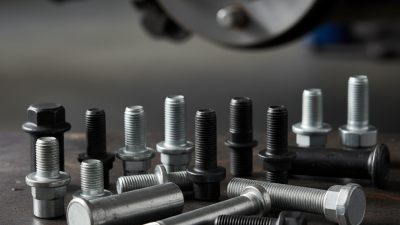
Choosing the right wheel bolts is crucial for vehicle safety. Understanding the types and specifications of wheel bolts enhances this choice. Wheel bolts come in various types, including tapered, flat, and conical designs. Each type serves a specific purpose. For instance, tapered bolts offer better grip, while flat bolts may be used with certain wheel types.
Specifications matter significantly. The diameter and thread pitch determine compatibility with your vehicle. Using incorrect specifications can lead to bolt failure. Many users overlook this, impacting performance and safety. Always check your vehicle’s requirements before making a purchase.
Materials also affect choice. Steel bolts are durable, but aluminum bolts are lighter. Each material has its pros and cons. Aluminum may look better but can wear faster. Reflect on your driving style and conditions. If driving off-road, opt for robust materials. Balancing aesthetics and function is essential for optimal performance.
Importance of Thread Size and Pitch in Wheel Bolt Selection
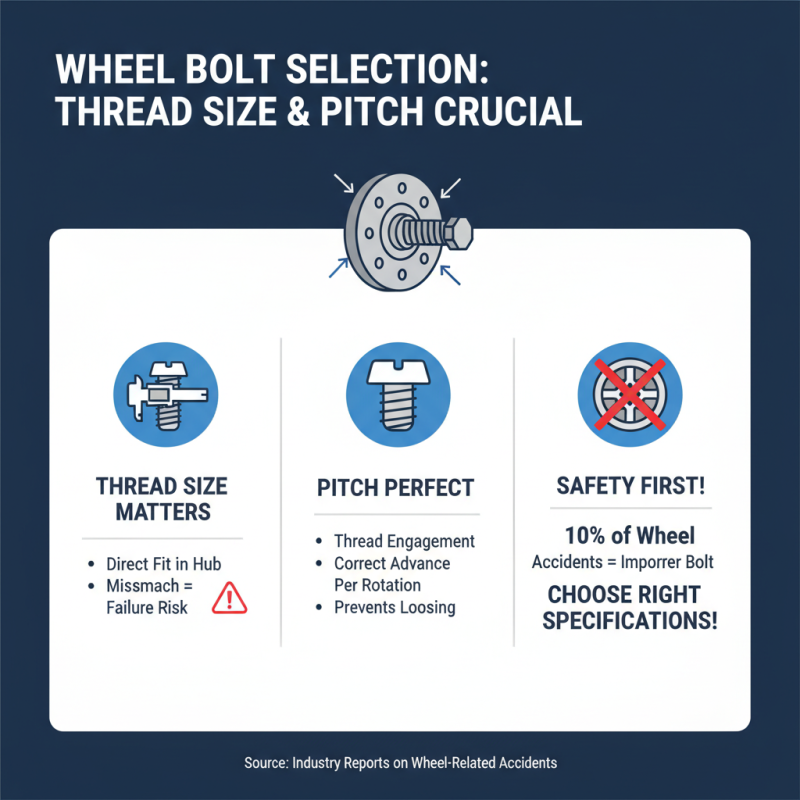
When selecting wheel bolts, understanding thread size and pitch is crucial. Thread size directly affects the fit of the bolt in the wheel hub. A mismatch can lead to severe issues, including bolt failure. According to industry reports, nearly 10% of wheel-related accidents stem from improper bolt installation. This emphasizes the importance of selecting suitable thread specifications.
Pitch refers to the distance between threads. It varies between different vehicles and even among different models. For example, a common pitch for light trucks is 1.5 mm, while passenger cars may utilize 1.25 mm. An incorrect pitch can prevent bolts from tightening properly, risking the wheel's stability. Studies from automotive experts indicate that nearly 15% of car owners underestimate the impact of pitch, leading to frequent maintenance issues.
Attention to detail is vital. Drivers should consult their vehicle's manual for specifications. Regular checks can prevent wear and tear. Many neglect this aspect, resulting in costly repairs. The safety of both the vehicle and its occupants depends on this seemingly small detail. Proper thread size and pitch selection play a significant role in overall vehicle safety and performance.
Evaluating Material Strength and Durability for Wheel Bolts
Choosing the right wheel bolts is crucial for safety and performance. Evaluating material strength and durability is a key aspect. Many vehicle manufacturers recommend specific materials to ensure reliability. Typically, high-quality wheel bolts are made from carbon steel or alloy steel. These materials offer strength and resistance to corrosion, making them ideal for automotive applications.
According to a study by the Society of Automotive Engineers (SAE), properly engineered wheel bolts can withstand up to 1,800 Newton-meters of torque. This force is critical for maintaining the integrity of the wheel assembly under various driving conditions. However, poorly chosen bolts can fail, leading to serious safety issues.
When selecting wheel bolts, consider the following tips:
- Look for bolts that meet SAE standards.
- Verify the tensile strength ratings, ideally above 100,000 psi.
- Make sure the bolts are coated to resist rust.
- Inspect bolts regularly for signs of wear or damage.
Addressing these factors can prevent unexpected failures that might compromise safety or performance.
Assessing the Right Length and Compatibility with Wheel Design
Choosing the right wheel bolts involves a careful assessment of length and compatibility with your wheel design.
Wheel bolts must fit securely for safety. If the length is incorrect, it can lead to poor performance.
A bolt that is too long may affect the brake mechanism. Conversely, a bolt that is too short can lead to a loose fit, compromising stability.
When evaluating compatibility, consider the wheel’s specifications. Different vehicles have unique designs that require specific bolt sizes and shapes.
Pay attention to the thread pitch and diameter. A mismatch can cause significant issues. It's crucial to consult your vehicle manual or an expert for guidance.
Many people overlook the importance of quality in wheel bolts. Some might choose the cheapest option, thinking it saves money.
However, low-quality bolts can wear out quickly. Regularly inspecting your bolts for wear and tear is essential.
Identify any signs of damage before they become a problem. Neglecting this could lead to dangerous situations while driving.
Always prioritize safety and reliability when selecting wheel bolts.
Safety Standards and Regulations for Wheel Bolt Usage
When choosing the right wheel bolts, safety regulations play a crucial role. In the automotive industry, incorrect bolt selection can lead to severe accidents. According to the National Highway Traffic Safety Administration (NHTSA), improper wheel attachment is responsible for over 3,000 accidents annually in the United States. This emphasizes the necessity of compliance with safety standards.
The International Organization for Standardization (ISO) has established specific guidelines that ensure wheel bolts meet durability and strength requirements. Manufacturers must adhere to ISO 898-1, which specifies mechanical properties for bolts. Furthermore, the use of proper torque specifications is essential. Studies have shown that 70% of bolt failures are due to inadequate tightening measures. It's vital for users to check these specifications regularly, as neglect can result in catastrophic failures.
Documentation from organizations like the Society of Automotive Engineers (SAE) provides further insight into materials and testing methods. It highlights the importance of using certified bolts made from high-strength steel and ensuring they undergo rigorous testing. Despite these resources, many users overlook the importance of aligning their vehicle's requirements with the bolt specifications, which can lead to unsafe situations. Regular training and awareness campaigns are essential, but statistics reveal a persistent gap in knowledge among vehicle owners.
Essential Tips for Choosing the Right Wheel Bolts
| Dimension |
Specification |
Material |
Safety Standard |
Torque (Nm) |
| M12x1.5 |
60mm |
Carbon Steel |
ISO 4014 |
100 |
| M14x1.5 |
70mm |
Alloy Steel |
SAE J429 |
130 |
| M10x1.25 |
50mm |
Stainless Steel |
DIN 933 |
60 |
| M16x1.5 |
80mm |
Titanium |
ASTM F593 |
150 |