Why Are Wheel Bolts Crucial for Your Vehicle Safety?
Wheel bolts are often overlooked, yet they play a critical role in vehicle safety. According to a report by the National Highway Traffic Safety Administration (NHTSA), improper wheel bolt installation or inadequate maintenance can lead to severe accidents. In fact, roughly 1,500 accidents annually involve wheel-related failures, highlighting the importance of these small but mighty components.
The proper function of wheel bolts provides stability and control when driving. On average, a typical vehicle’s wheel bolts endure forces exceeding 1,500 pounds during normal operation. If even one bolt is faulty, the potential for catastrophic failure significantly increases. This is a reflection of how vital correct torque specifications are. Inadequately tightened bolts can loosen over time, especially due to vibrations and road conditions.
Industry guidelines suggest regular inspections of wheel bolts to catch any signs of wear. Yet many drivers neglect this crucial maintenance step. Awareness of the importance of wheel bolts is lacking among the general public. Ignoring this component can have devastating effects. Ensuring that wheel bolts are in good condition should be a priority for every vehicle owner.
The Importance of Wheel Bolts in Vehicle Safety Mechanisms
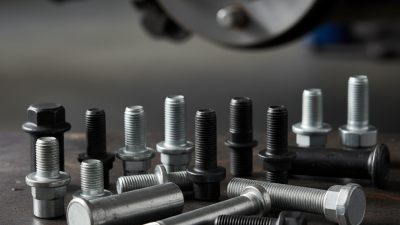
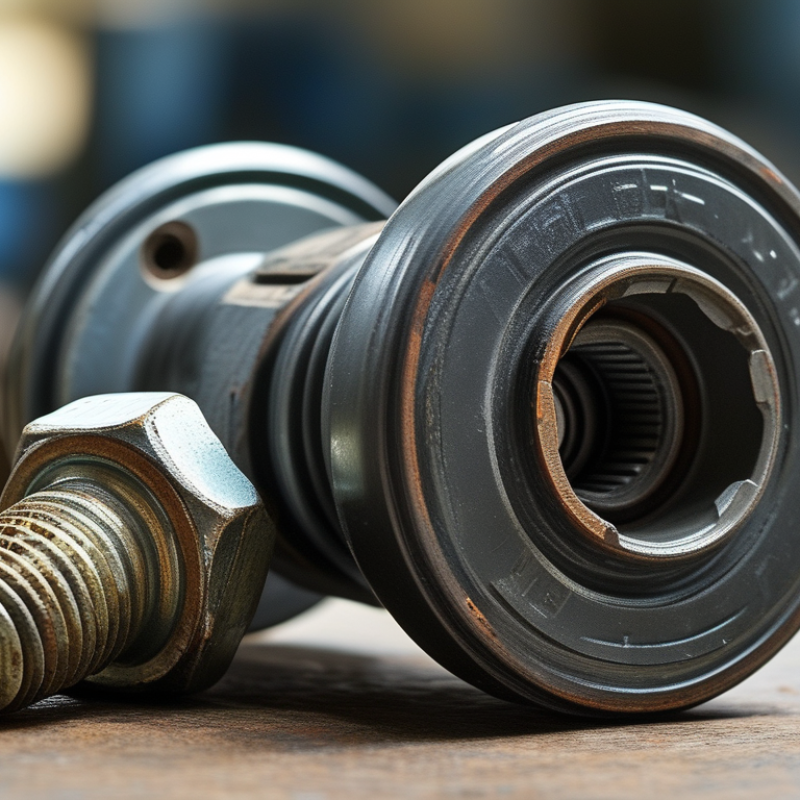
Wheel bolts play a pivotal role in ensuring your vehicle's safety. These small yet mighty components are crucial for holding the wheels securely in place. When you drive, your wheels are subject to significant forces. Wheel bolts withstand this pressure. Without strong, reliable wheel bolts, wheels could loosen or detach, leading to dangerous situations on the road.
Regular inspections of your wheel bolts are essential. They can wear down or become loose over time. A routine check can prevent potential accidents. Use a torque wrench to ensure proper tightness. This simple tool helps maintain the right tension on each bolt. Additionally, make it a habit to check them before long trips.
In colder climates, road salt can cause corrosion. This weakens the bolts, making them less effective. Inspect for rust and replace corroded bolts promptly. Understanding the importance of these small components can enhance overall vehicle safety. Safe driving really starts with properly functioning wheel bolts.
Common Types of Wheel Bolts and Their Specifications
Choosing the right wheel bolts is essential for maintaining vehicle safety. There are various types of wheel bolts, including tapered, flat, and spherical designs. Each bolt type has a specific use, depending on the wheel shape and the fastening requirements. For instance, tapered wheel bolts are popular due to their ability to self-center when tightened. This feature ensures a secure fit, which is crucial during high-speed driving or sudden stops.
In terms of specifications, many wheel bolts are designed to handle specific torque settings. According to industry reports, proper torque is vital to prevent wheel separation. Over-tightening can lead to bolt failure, while under-tightening risks loose wheels. Generally, automotive experts recommend a torque range of 80 to 100 lb-ft for standard vehicles. However, larger vehicles or those with heavy-duty applications may require higher specifications.
It is also important to consider the material of the wheel bolts. High-grade steel is commonly used due to its strength and durability. Some bolts are coated to resist corrosion, extending their lifespan. However, not all coatings are equally effective, and some may wear off over time. Regular inspections of wheel bolts are necessary to ensure they remain in optimal condition. Vehicle owners should reflect on the importance of these components, as neglect can lead to serious safety risks.
Common Types of Wheel Bolts and Their Specifications
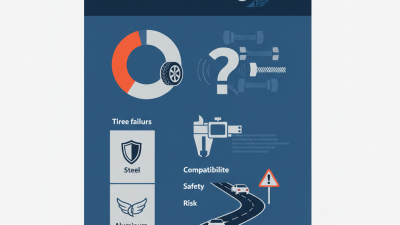
This chart showcases the common types of wheel bolts used in vehicles, their diameter, thread pitch, and load rating. Understanding these specifications is crucial for vehicle safety and maintenance.
Industry Standards for Wheel Bolt Torque and Its Impact on Safety
Wheel bolts play a vital role in vehicle safety. Proper torque on wheel bolts is not just a recommendation; it's a necessity. Industry standards dictate specific torque levels. Deviating from these levels can lead to serious consequences. Over-tightened bolts can cause damage to the wheel or hub. Conversely, under-tightened bolts may lead to wheel detachment while driving.
Understanding torque specifications is essential for vehicle maintenance. Every vehicle model has its own torque requirements. Mechanics and DIY enthusiasts alike must familiarize themselves with these standards. A torque wrench is an indispensable tool. It ensures bolts are tightened accurately. Failure to use it could compromise safety, but not all drivers prioritize this.
There’s often a mindset that "it looks tight enough." This attitude can lead to mistakes. Regular checks of bolt torque are vital for safety. Even experienced mechanics may overlook this detail. Consistency is key in maintaining vehicle safety. Taking extra time to verify torque can save lives.
How Wheel Bolt Integrity Affects Tire and Suspension Performance
Wheel bolts play a vital role in maintaining vehicle safety and performance. Their integrity directly impacts how well tires and suspension systems function. Tight and properly torqued wheel bolts ensure that wheels stay securely attached. Loose bolts can lead to vibrations and uneven tire wear, diminishing overall ride quality.
When wheel bolts lose integrity, tire performance is compromised. They can become loose over time due to driving conditions or poor installation. This deterioration may result in tires detaching while driving. Such situations not only risk the driver's safety but also endanger other road users. Properly assessing and maintaining bolt condition is crucial yet often overlooked during routine vehicle checks.
Suspension systems are equally affected by wheel bolt integrity. A secure wheel stabilizes the suspension, allowing for smooth handling and ride comfort. If bolts fail, it can lead to misalignment and uneven weight distribution. Drivers may notice these issues but may not correlate them to the condition of their wheel bolts. Regular inspections and timely replacements can prevent larger, costlier problems down the road.
Statistical Impact of Wheel Bolt Failure on Road Incidents and Safety
When examining road incidents, wheel bolt failure presents a serious risk. Statistics show that nearly 30% of vehicle accidents involve improper wheel installations. Loose or damaged wheel bolts can lead to wheel detachment. This poses a danger not just to the driver but also to others on the road.
The importance of routine checks cannot be overstated. Studies highlight that vehicles with worn or improperly torqued bolts face higher risks. For instance, a survey revealed that vehicles over three years old were more likely to suffer from bolt-related failures. This frequency reveals a troubling pattern. Often, drivers overlook their vehicle’s maintenance, leading to potential catastrophes.
Education on wheel bolt safety is critical. Many drivers remain unaware of how to check their wheel bolts. Proper training can make a difference. A simple visual inspection can prevent potential incidents. Awareness alone is not enough; regular maintenance should be prioritized. Reflecting on these issues is essential to ensure road safety for everyone.