2026 Best Wheel Bolts for Global Buyers to Consider?
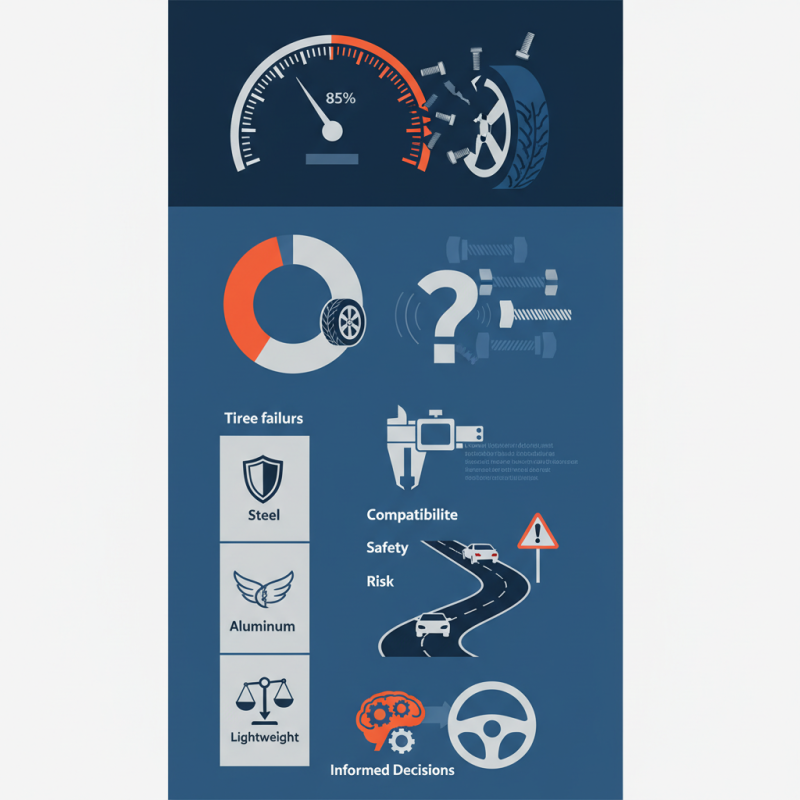
In the automotive industry, the selection of quality wheel bolts is crucial for safety and performance. Recent market research indicates that defective wheel bolts account for a significant percentage of vehicle-related incidents. Statistically, over 15% of tire failures are linked to improper fastening. This alarming data emphasizes the necessity of choosing the best wheel bolts for various vehicles.
As global buyers seek reliable products, understanding the nuances of wheel bolts becomes essential. Different materials, such as steel and aluminum, offer varied benefits and shortcomings. For instance, while aluminum bolts are lightweight, they may not provide the same durability as steel counterparts. Buyers must weigh these differences carefully, as selecting the wrong type can lead to precarious situations on the road.
Furthermore, not all wheel bolts are created equal. Variants in thread pitch or size can lead to compatibility issues, causing potential risks. This aspect underscores the importance of precise measurements and product knowledge. Overall, informed decisions on wheel bolts not only enhance vehicle safety but also improve overall driving experience and confidence.
Factors to Consider When Choosing Wheel Bolts for Vehicles
When selecting wheel bolts, several crucial factors come into play. Material composition is essential. High-tensile strength steel is generally preferred for its durability. According to a report by the Automotive Engineering Society, high-strength bolts can withstand torque variations of up to 150 Nm. This ensures safety and reliability on the road.
Thread pitch and diameter are also vital considerations. Ensuring the correct size is key to maintaining a secure fit. Reports indicate that improper sizing can lead to bolt failure during driving. For instance, a mismatch in diameter may result in a loss of grip, potentially causing accidents.
Additionally, corrosion resistance shouldn't be overlooked. Environmental factors such as moisture can lead to rust and degradation. Some studies suggest that zinc-coated bolts can enhance longevity significantly. However, the effectiveness of coatings can vary, demanding careful selection. Choices made today impact long-term vehicle safety and performance, emphasizing the need for informed decisions.
2026 Best Wheel Bolts for Global Buyers to Consider
This chart illustrates important factors to consider when choosing wheel bolts for vehicles, with ratings on a scale from 1 to 10. Material quality and strength are the most crucial aspects, while cost is of slightly lesser importance.
Types of Wheel Bolts Available in the Market Today
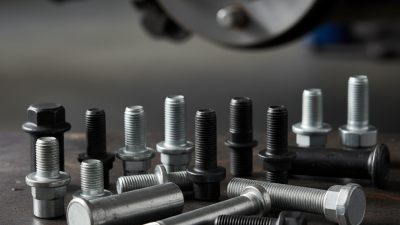
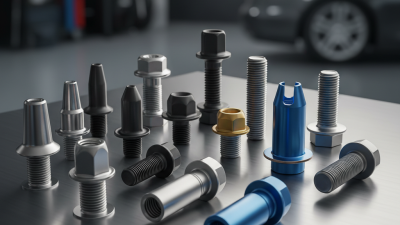
When it comes to choosing wheel bolts, understanding the types available is crucial. The market today offers several options, such as standard, conical, and ball seat wheel bolts. Standard bolts are widely used, while conical and ball seat options provide optimal compatibility with specific wheel designs. According to recent industry reports, more than 70% of vehicle manufacturers prefer conical seat bolts for their effective load distribution.
One emerging trend is the increase in demand for lightweight materials. Aluminum and titanium bolts are becoming more popular due to their strength and reduced weight. These materials can improve vehicle performance by lowering the overall weight. However, pricing can vary significantly, with lightweight bolts often costing more.
Tip: Always check for the right specifications. Incorrect bolts can lead to safety issues.
Additionally, it’s essential to consider the torque specifications provided by manufacturers. Over-torquing or using incorrect bolts can cause damage. Regular inspections can help identify wear and tear, ensuring both safety and performance.
Tip: Regularly inspect your wheel bolts for wear. Replacing them can prevent potential damage.
Material and Durability: Key Aspects of Quality Wheel Bolts
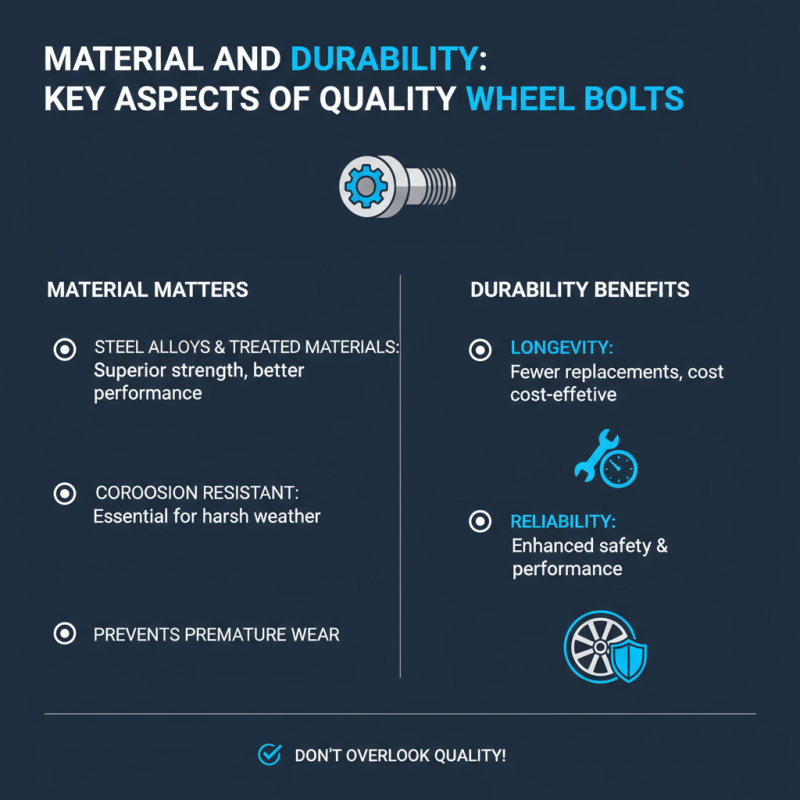
When selecting wheel bolts, material and durability are crucial factors. Many buyers overlook these aspects, focusing instead on appearance or price. However, the composition of the bolts plays a significant role in their performance and longevity. Steel alloys and treated materials often provide better strength compared to standard steel. Corrosion resistance is vital, especially in regions with harsh weather conditions. Using high-quality materials can prevent premature wear and the need for frequent replacements.
Durability is not just about weight limits. It also includes how well a bolt can withstand various forces. Road conditions can be unpredictable. Thus, bolts must endure constant tension from vibrations, bumps, and impacts. Some may assume that heavier bolts are stronger, but this isn't always true. A well-designed, lighter bolt can outperform a heavier counterpart in certain situations. It’s essential to consider the right specifications for your vehicle.
Regular inspections can highlight wear signs, even in quality bolts. If you see rust or deformation, it’s time to reassess your choices. Investing in reliable bolts can save costs in the long run. Make informed decisions based on how and where you drive. This knowledge leads to safer and smoother driving experiences.
Top Brands to Explore for Reliable Wheel Bolts in 2026
As we look ahead to 2026, choosing the right wheel bolts is crucial for vehicle safety and performance. Not all wheel bolts are created equal. Some may offer reliable strength, while others might not withstand harsh conditions. Buyers should explore brands known for their commitment to quality. Reliability should be a top priority, particularly for those who frequently drive in challenging environments.
Many dependable brands emphasize the use of high-grade materials, ensuring durability and resistance to rust. Investigating these options can lead to better decisions. However, not every well-marketed product performs as advertised. Some users report issues with corrosion or stripped threads over time. Reading customer reviews can provide insights into real-world performance, which is essential.
While it’s tempting to choose based solely on price or brand recognition, that approach can lead to disappointment. There’s a balance between cost and quality. If a wheel bolt fails, the consequences can be severe. Ensure your choice is founded on both detailed research and personal experiences. Each vehicle has unique needs, and what works for one may not suit another. Take the time to evaluate your options thoroughly.
2026 Best Wheel Bolts for Global Buyers to Consider
| Dimension |
Material |
Coating |
Weight (g) |
Price Range (USD) |
| M12 x 1.5 |
Carbon Steel |
Zinc Plated |
25 |
$50 - $80 |
| M14 x 1.5 |
Alloy Steel |
Black Oxide |
30 |
$60 - $90 |
| M12 x 1.25 |
Stainless Steel |
None |
22 |
$70 - $100 |
| M10 x 1.5 |
Aluminum |
Anodized |
15 |
$40 - $70 |
| M14 x 2.0 |
Titanium |
Natural Finish |
35 |
$120 - $150 |
Installation Tips and Best Practices for Wheel Bolts Maintenance
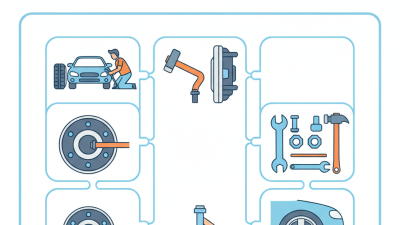
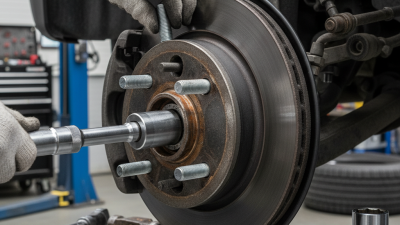
When it comes to maintaining wheel bolts, proper installation and regular maintenance are essential. According to industry reports, approximately 30% of wheel-related accidents stem from improper wheel bolt torque. Using a calibrated torque wrench ensures bolts are neither too loose nor over-tightened, which can compromise safety. Aim for specific torque settings based on vehicle specifications. Under or over-tightening can lead to costly repairs or serious incidents.
Visual inspection plays a crucial role in maintenance. Look for signs of rust or deformation. A study indicates that about 25% of drivers overlook this routine check. Even minor corrosion can weaken the structural integrity of wheel bolts. Replace any damaged components immediately. Regularly cleaning the bolt threads helps prevent debris buildup and enhances longevity. Some experts recommend using anti-seize compounds to prevent seizing and galling over time.
In addition to inspections, be mindful of seasonal changes. Cold weather can cause metal contraction, potentially loosening bolts. Conversely, heat can cause expansion, leading to increased wear. Remain vigilant, especially before long journeys or after significant driving conditions. Maintaining your wheel bolts is not just about performance; it's about safeguarding your vehicle's reliability.