What is Reaming King Pin Bushings and How to Choose Them?
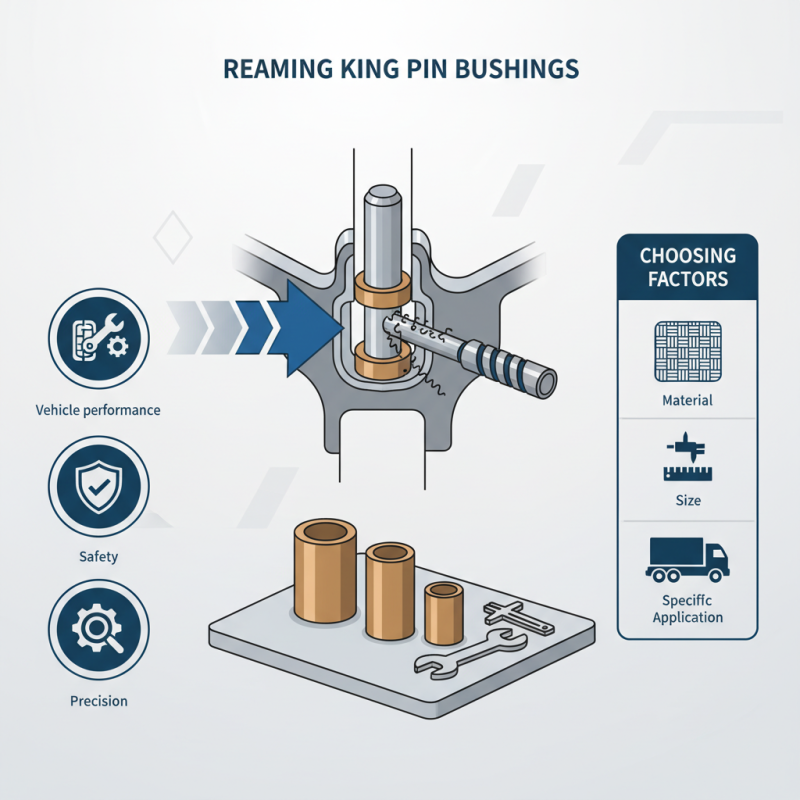
Reaming King Pin Bushings is a vital process in maintaining vehicle performance and safety. Expert engineer John Thompson emphasizes, "Precision in reaming ensures the longevity of kingpin assemblies." This highlights the importance of carefully selecting appropriate bushings for optimal results.
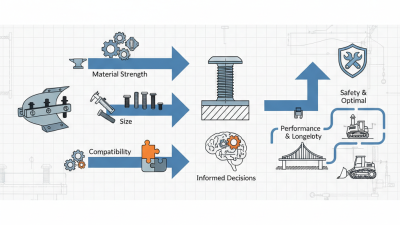
Choosing the right reaming tools and techniques can be challenging. Various factors influence decisions, including material, size, and the specific application. An inadequate choice can lead to premature wear and increased maintenance costs. Some might overlook these details, but they could have significant repercussions.
Ultimately, understanding Reaming King Pin Bushings is essential for proper vehicle maintenance. Professionals must weigh options carefully, ensuring each factor aligns with their unique needs. Avoiding common pitfalls in this process can greatly enhance performance and reliability.
What is Reaming in the Context of King Pin Bushings?
Reaming is a precision machining process essential for ensuring the proper fit and function of king pin bushings. This process removes small amounts of material from the bushing to achieve the desired diameter and surface finish. According to industry reports, achieving a final tolerance within 0.001 inches can significantly enhance the lifespan and performance of heavy-duty vehicles. Reaming helps align the bushing accurately with king pins, reducing wear and tear during operation.
In the context of king pin bushings, the reaming process involves using a specialized cutting tool. This tool creates a smoother surface, which is crucial since friction can lead to premature failure. A report from the Machinery Lubrication Society suggests that well-reamed king pin bushings can decrease maintenance costs by up to 30%. However, improper reaming techniques often lead to inconsistencies. These inconsistencies can cause alignment issues, leading to decreased vehicle performance.
Selecting the right reamer is critical. Factors such as material, diameter, and cutting angle should be considered. A reamer that is too aggressive can damage the bushing, while one that is dull may not achieve the necessary tolerance. Proper training and experience in reaming techniques can mitigate these risks. Regular inspection of the tools and process is essential, as subtle changes can greatly impact results.
Understanding the Purpose and Function of King Pin Bushings
King pin bushings are essential components in the steering systems of vehicles, especially in heavy-duty trucks and trailers. They serve as a pivot point, allowing smooth movement and stability in steering. Understanding their purpose helps mechanics diagnose issues and choose the right replacements. With wear and tear, these bushings can lose effectiveness, leading to steering problems. Observing wear patterns can indicate when replacements are needed.
Choosing king pin bushings requires careful consideration of material and dimensions. Options may vary in durability and performance, impacting overall vehicle handling. Mechanics often recommend checking compatibility with existing components to ensure a proper fit. Misalignment can cause issues, leading to additional wear and unstable handling. Different vehicles may require specific bushings, so research is crucial.
Regular inspections can reveal signs of wear, such as play in the steering or unusual noises. While many may overlook small issues, these can escalate into significant problems. Proper maintenance can extend the life of king pin bushings, reducing costs over time. A proactive approach in selection and care can enhance vehicle performance and safety.
King Pin Bushings Performance Comparison
This chart compares the durability (in hours) and cost (in dollars) of different king pin bushings. Bushing A offers the lowest cost but has lower durability compared to others. Bushing C, while more expensive, outperforms others in durability, making it a potentially better investment for longevity.
Key Factors in Selecting the Right King Pin Bushings
When selecting king pin bushings, several factors require careful consideration. The material choice significantly impacts durability and performance. Steel bushings are common for their strength, while composite materials offer corrosion resistance. Each material has its trade-offs. For instance, composite bushings can reduce friction but may wear out faster under heavy loads.
Another key factor is the bushing's dimension. Proper sizing ensures optimal fit and function. According to industry data, improper sizing leads to increased wear and maintenance issues. A study revealed that 40% of bushing failures stem from incorrect installation or sizing. Accurate measurement during installation can prevent costly downtime.
Furthermore, the intended application should guide your choice. Heavy-duty trucks may require reinforced bushings for additional load-bearing capacity. Meanwhile, lighter vehicles may not need such robust options. This demands a thoughtful evaluation of vehicle specifications and typical usage scenarios. Ignoring these aspects may lead to frequent replacements and operational inefficiencies. Understanding these elements is crucial for making an informed decision in king pin bushing selection.
Different Types of King Pin Bushings and Their Uses
King pin bushings are critical components in vehicle steering systems. They provide support and allow for smooth movement between the king pin and axle. Using the right type of bushing is essential for maintaining performance and safety.
There are several types of king pin bushings. Brass bushings are common for their durability and resistance to wear. They are ideal for heavy-duty applications. Then, there are plastic bushings, which are lightweight and offer noise reduction. These are suitable for light to moderate use. Rubber bushings provide excellent shock absorption, making them great for off-road vehicles. Each type has unique characteristics.
Choosing the right bushing requires evaluating your specific needs. Consider factors like load capacity and application type. Researching material properties can help in making an informed choice.
Tips: Regularly inspect bushings for wear and tear. This proactive measure prevents unexpected failures. Choose quality over price; cheap bushings may cost more in the long run. Proper installation is crucial. An incorrectly fitted bushing can lead to premature failure. Always consult a professional if unsure about the installation process.
What is Reaming King Pin Bushings and How to Choose Them? - Different Types of King Pin Bushings and Their Uses
| Type of King Pin Bushing |
Material |
Typical Applications |
Advantages |
Disadvantages |
| Bronze Bushings |
Bronze Alloy |
Heavy-duty trucks, buses |
High wear resistance, good load-bearing |
Higher cost, may require lubrication |
| Polyurethane Bushings |
Polyurethane |
Light-duty vehicles, racing |
Excellent shock absorption, lightweight |
Less durable under heavy load |
| Steel Bushings |
Carbon Steel |
Commercial vehicles, construction |
High strength, low cost |
Prone to corrosion, requires regular maintenance |
| Nylon Bushings |
Nylon Composite |
Passenger vehicles, light trucks |
Low friction, self-lubricating |
Not suitable for extreme temperatures |
| Composite Bushings |
Polymer and Fiberglass |
Off-road vehicles, aerospace |
Lightweight, high strength |
Expensive, may not withstand heavy impact |
Common Tools and Techniques for Reaming King Pin Bushings
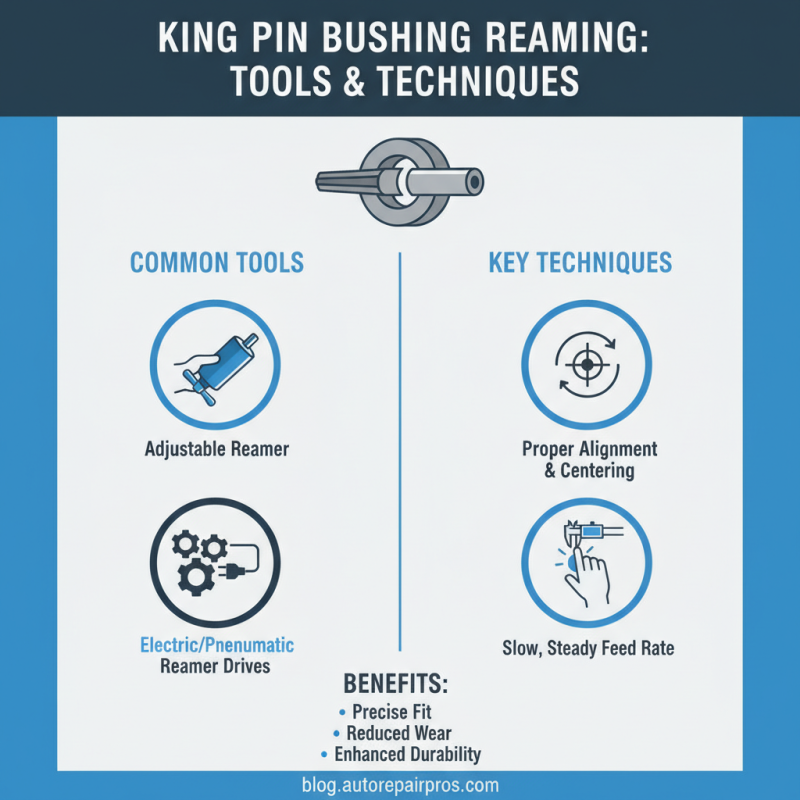
Reaming king pin bushings is a precise process that ensures the correct fit of components. The right tools and techniques are essential for successful results. This involves using specific reaming tools designed for bushings, along with effective techniques to enhance their performance. High-quality reamers can help achieve precise dimensions while minimizing wear on bushings.
When it comes to tools, consider adjustable reamers for varied sizing needs. These provide flexibility, especially for custom applications. A report by the Precision Machining Association highlights the importance of tool quality. Tools crafted from high-speed steel or carbide provide durability and accuracy, reducing the chances of defects.
Tips: Always check your tool's calibration before use. A miscalibrated tool can lead to costly errors. Regular inspection of equipment is crucial. Reamer maintenance impacts longevity and performance. Aim for cleanliness; contaminants can ruin precision.
Techniques such as using cutting fluid can improve the reaming process. It reduces friction, leading to smoother finishes. According to industry standards, consistent pressure while reaming aids in achieving uniform results. Operators should remain attentive to feed rates and cutting speeds. Adjusting these can prevent tool breakage and extend tool life.