Leave Your Message

What Is Reaming King Pin Bushings Used For?

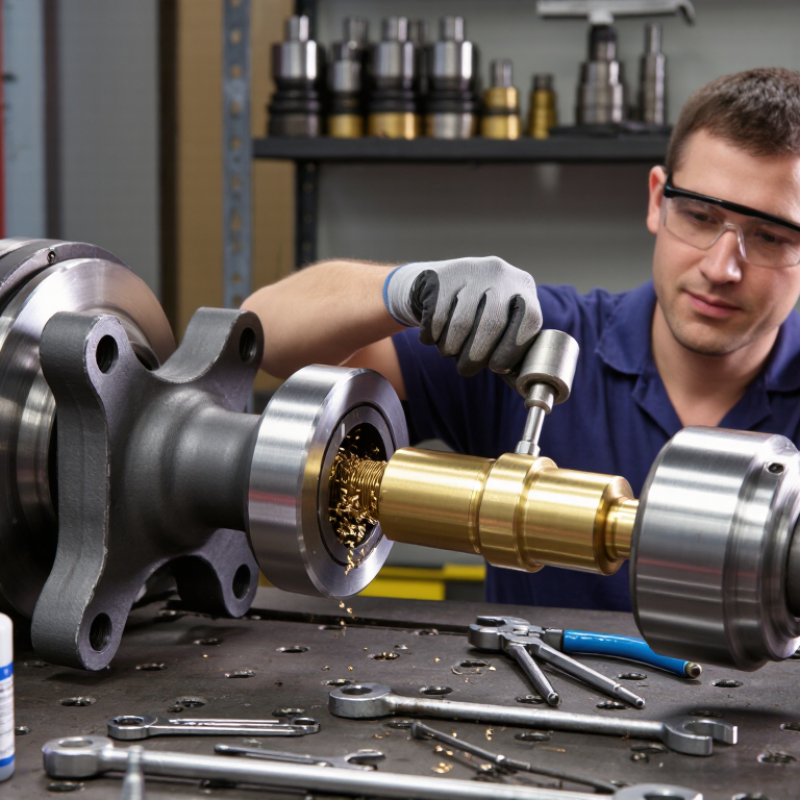
Reaming King Pin Bushings is a precision service used to restore steering accuracy in heavy-duty axles. King pin bushings support the connection between the steering knuckle and axle beam. When these bushings wear, the steering may feel loose, uneven, or slow to return. Tire wear can also become visible along the outer edges.

Heavy-duty chassis specialist Mike Duane explains, “A king pin bushing is only as accurate as the bore prepared for it.” This practical observation reflects an important workshop reality. New bushings rarely fit correctly without proper alignment and sizing. Reaming creates the required internal diameter after installation. It also helps the king pin move smoothly through the bushing.

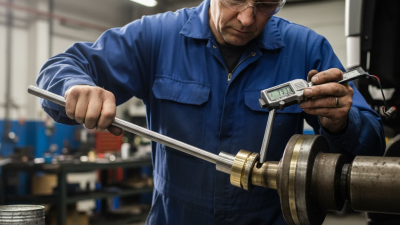
The process normally follows inspection, bushing installation, measurement, and controlled reaming. A technician may use an adjustable reamer, cutting oil, and repeated clearance checks. Small errors matter. Too much clearance can allow knuckle movement. Too little clearance can cause binding, heat, or premature wear. The finished surface should be clean and consistent, not merely polished.

Reaming King Pin Bushings is therefore used to recover safe, predictable steering performance. It is not a shortcut for every axle problem. Bent components, damaged bores, or incorrect parts may require deeper repairs. That point is easy to overlook. Accurate measurements, suitable tools, and documented service procedures make the result more dependable. Even experienced technicians should recheck the final fit before returning the vehicle to work.
What Is Reaming King Pin Bushings Used For?

What Are King Pin Bushings and Where Are They Used?

What Is Reaming King Pin Bushings Used For?

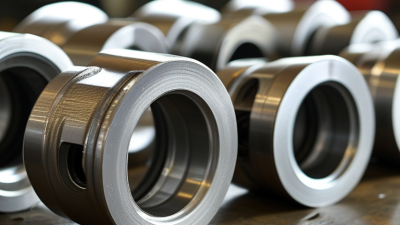
King pin bushings support the steering knuckle around the king pin. They are widely used in heavy trucks, trailers, buses, and vocational vehicles with steerable axles. These bushings reduce metal-to-metal contact and help maintain stable wheel alignment. Without proper support, the king pin may develop play, causing uneven tire wear, vague steering, and irregular braking response.

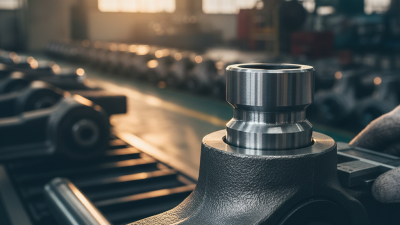
Reaming is used after a new bushing has been pressed into the axle eye or steering knuckle. The tool removes a very small amount of material, creating the correct internal diameter and clearance for the king pin. This process also corrects slight distortion from installation.

The final bore should be measured with precision tools, not judged by feel. Too tight can cause binding. Too loose can accelerate wear.

The need for accuracy is significant. The American Trucking Research Institute reported that trucks moved about 11.27 billion tons of freight in 2023, according to its 2024 industry data. Many of these vehicles operate under heavy loads and repeated steering forces.

A practical workshop mistake is reaming before checking king pin wear. That can produce a clean bore around a damaged pin. It seems efficient, but it is not reliable. Technicians should inspect the pin, bushing fit, lubrication passages, and axle alignment together. Small clearance differences matter. Sometimes, the specification is less obvious than expected.
Why Is Reaming Needed After Installing King Pin Bushings?

What Is Reaming King Pin Bushings Used For?

King pin bushings support the steering knuckle around the king pin. They help control wheel movement and maintain accurate steering geometry. After installation, a bushing rarely has a perfectly correct inner diameter. Pressing it into the knuckle can slightly compress or distort the bore. Reaming removes this small amount of excess material.

Why Is Reaming Needed After Installing King Pin Bushings?

Reaming creates the precise clearance required between the bushing and king pin. Without it, the pin may fit tightly, bind, or resist smooth steering movement. Excessive clearance creates play, uneven tire wear, and possible knocking sounds. A properly reamed bushing also helps distribute lubricant across the contact surface. The reamer must follow the original alignment, not simply enlarge the hole. Line reaming is often preferred when both bushings must share one centerline.

In workshop practice, rushing this step causes expensive repeat work. A bushing can look correctly installed while its bore remains slightly misaligned. This is an easy mistake to underestimate. The final fit should be checked with clean measuring tools and the correct service tolerance. Not every assembly needs the same reaming amount, so assumptions can be risky.

Tips

Clean the king pin and bushing before measuring. Use the correct reamer and steady cutting pressure. Check the pin for scoring, taper, or rust. Apply suitable lubricant after confirming the final clearance. If the pin does not slide smoothly by hand, stop and inspect the alignment.

How Does Reaming Restore Proper King Pin Clearance?

What Is Reaming King Pin Bushings Used For?

Reaming king pin bushings is used to restore the correct clearance between the bushing and king pin. During installation, a new bushing may have a slightly undersized or uneven inner surface. The king pin cannot move smoothly until that surface is accurately machined.

Reaming removes a controlled amount of material from the bushing bore. It creates a round, aligned passage that matches the steering knuckle and king pin position. This process supports smooth steering movement and helps distribute lubricant across the contact surface. Too little clearance can cause binding, heat, and difficult steering. Too much clearance may create looseness, knocking, and uneven tire wear.

Measure twice. Do not guess.

In practical service work, the bushing should be checked after pressing it into place. Pressing can distort its shape, even when the part looked perfect beforehand. A quality reamer follows the original alignment rather than cutting carelessly from one side. The technician should clean the bore, inspect the king pin, and measure clearance with suitable gauges. Manufacturer service specifications remain the final reference, because every assembly may require a different tolerance.

A smooth fit is not necessarily a tight fit. The king pin needs controlled movement with enough space for lubrication. If the reamer removes too much material, the bushing may need replacement. That mistake costs more time, but ignoring it can affect steering stability and component life.

What Tools and Steps Are Used to Ream King Pin Bushings?

Reaming king pin bushings creates the precise bore needed for smooth steering movement. The job is common after worn bushings are removed from a steering knuckle. New bushings rarely fit perfectly without final sizing. Even a small error can cause tight steering, uneven wear, or early failure.

Use a hydraulic press, suitable bushing drivers, a piloted king pin reamer, cutting oil, and cleaning brushes. A micrometer and dial bore gauge help verify dimensions. Remove the old bushing carefully, then inspect the housing for cracks, distortion, or rust. Press the new bushing into place with steady pressure. Align the reamer through both bushings, keeping it straight and supported by the pilot. Apply light cutting oil and turn the tool slowly. Remove small amounts of material, then clean the bore and test the king pin frequently. The pin should slide smoothly without noticeable looseness.

Tips: Measure twice before reaming. Tiny chips can change the reading. Keep the tool clean, and avoid forcing it through a tight spot. In practice, measurements may disagree slightly, especially on older assemblies. Recheck the bore at several points. After fitting, clean all passages, apply the specified lubricant, and confirm free movement before returning the vehicle to service. A perfect-looking surface can still hide a tapered bore. That part deserves another check.

What Is Reaming King Pin Bushings Used For?

Reaming creates the correct internal diameter and alignment after a king pin bushing is installed. The chart shows the common tools used during each service stage.

A value of 1 indicates that the tool is commonly used during that stage, while 0 indicates that it is normally not required. Actual tooling and reaming specifications depend on the axle design and the service manual.

How Does Proper Reaming Improve Steering Safety and Component Life?

Reaming king pin bushings creates the precise internal clearance needed for smooth steering movement. Pressing in a new bushing rarely leaves the bore perfectly sized. It may become slightly smaller, misaligned, or uneven during installation. Reaming corrects these conditions and helps the king pin share load across the entire bushing surface.

Proper reaming directly improves steering safety. Excessive clearance can cause wheel wobble, vague steering, uneven tire wear, and impact damage. Too little clearance creates binding, heat, and difficult steering, especially during slow turns. Both conditions deserve attention. A careful technician measures the king pin, checks bushing alignment, and removes material gradually. A bore gauge or micrometer confirms the final fit against the vehicle’s service specification. Guesswork has no place here.

Clean tools and steady cutting matter. Lubrication helps produce a smoother bore and reduces scoring. After reaming, the assembly should be cleaned thoroughly, lubricated correctly, and checked for free movement without noticeable play. One overlooked metal chip can affect the result. It is easy to rush this step. That mistake may shorten bushing life and transfer stress to related steering parts. Even experienced workers should recheck measurements, because a fraction of a millimeter can change steering feel and component durability.

What Is Reaming King Pin Bushings Used For? - How Does Proper Reaming Improve Steering Safety and Component Life?

Service Dimension What Reaming Addresses Correct Condition or Target Steering and Safety Benefit Inspection or Service Note
Bushing inner diameter Removes a small amount of material after installation so the bushing reaches the required finished size. Finished diameter must match the axle manufacturer’s specified kingpin-to-bushing clearance. Prevents excessive looseness while allowing the knuckle to pivot freely. Measure with a calibrated bore gauge or inside micrometer; do not rely only on visual fit.
Bushing alignment Corrects minor dimensional variation and helps establish a common axis through the upper and lower bushings. Upper and lower bushing bores should remain concentric and aligned with the kingpin axis. Reduces binding, uneven steering effort, and irregular tire wear. Use the correct axle reamer and follow the specified reaming direction and setup.
Kingpin rotation Creates a smooth, accurately sized bearing surface for the kingpin. The kingpin should rotate smoothly without tight spots, abnormal resistance, or perceptible radial play. Supports predictable steering response and helps maintain proper wheel-end geometry. Check movement after lubrication and final assembly; investigate any roughness or stiffness.
Surface finish Removes installation distortion, high spots, and machining irregularities from the bushing bore. Bore surface should be smooth, clean, and suitable for the specified lubricant and bushing material. Limits friction, heat generation, and accelerated wear at the kingpin interface. Clean all abrasive residue before assembly; contamination can damage the new bushing and kingpin.
Clearance control Allows the technician to achieve the required running clearance rather than depending on an unmachined replacement bore. Clearance must remain within the applicable service specification; there is no universal value for every axle design. Balances free movement with resistance to kingpin wobble and steering looseness. Always use the vehicle or axle service manual for the exact clearance, measurement points, and tolerances.
Load distribution Helps the bushing contact the kingpin more uniformly across its working surface. Contact should not be concentrated at one edge or limited to isolated high spots. Reduces localized wear, edge loading, and premature damage to related steering components. Inspect for scoring, uneven wear patterns, and signs of misalignment during disassembly.
Lubrication path Preserves the intended relationship between the bushing bore and grease passages during finishing. Grease channels and passages must remain open and correctly positioned after reaming. Promotes lubricant distribution and helps protect the bushing from dry running. Apply the specified lubricant and verify that grease reaches the intended contact areas.
Component life Produces the fit and alignment needed for the bushing, kingpin, thrust bearing, and steering knuckle to work together correctly. No abnormal play, binding, metal-to-metal scoring, or uneven contact should remain after service. Reduces repeat repairs and helps maintain stable steering performance over the service interval. Replace worn seals, thrust components, or damaged kingpins when inspection shows they are outside specification.

Technical note: Reaming is a precision finishing operation, not a substitute for correct bushing installation, proper lubrication, accurate measurement, or compliance with the applicable axle service specifications.