How to Choose Flat Head Plow Bolts in 2026?
Choosing Flat Head Plow Bolts in 2026 requires more than matching a catalog photo. These fasteners sit flush in moldboards, wear plates, scraper edges, and other high-abrasion assemblies. A small mismatch can leave the head proud, damage the surface, or loosen equipment during service. Field experience shows that fit usually matters before price. Measure the hole diameter, countersink angle, grip length, and thread size with clean tools. Do not guess.
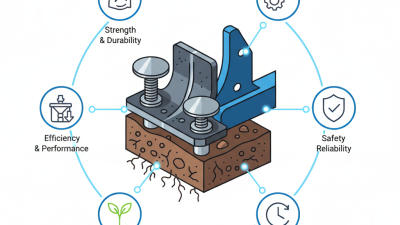
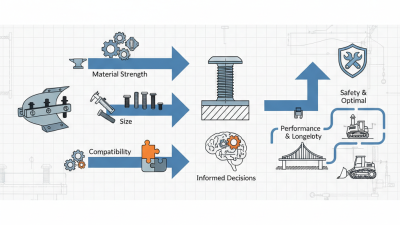
This guide explains how to compare bolt materials, strength grades, coatings, and manufacturer documentation. Carbon steel may suit ordinary soil work, while alloy steel can offer better resistance under repeated impact. Yet strength alone does not guarantee performance. The mating plate, nut, tightening method, and working environment all influence service life. Check grade markings and published test data. Ask suppliers for traceable certificates when loads or safety consequences are significant. Standards and regional requirements can differ, so verify the applicable specification before ordering.
The 2026 buying landscape also includes corrosion-resistant finishes, tighter dimensional control, and online product claims that deserve scrutiny. Some listings omit the actual head diameter or under-head length. That omission is easy to overlook. Compare drawings, samples, and return terms before committing to a large batch. We will also examine common mistakes, including selecting a bolt that is too short, over-tightening a thin plate, or treating stainless steel as automatically stronger. There is no perfect choice. Good selection balances verified data, practical experience, equipment demands, and realistic maintenance conditions.
Flat Head Plow Bolts: Definition, Structure, and Common Applications
How to Choose Flat Head Plow Bolts in 2026?
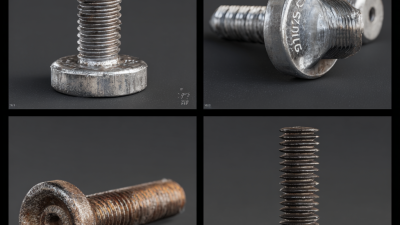
Flat head plow bolts use a countersunk head, square neck, threaded shank, and matching nut. The head sits nearly flush with a blade or wear plate. This reduces snagging against soil, gravel, and snow. The square neck resists rotation during tightening. It can also resist turning under vibration, although damaged holes weaken that benefit. Common applications include snowplow blades, grader edges, excavator buckets, agricultural implements, and conveyor wear plates.
Material selection needs more than a shiny coating. The 2024 World Steel Association report recorded about 1.89 billion metric tons of crude steel production in 2023. Steel availability is broad, but composition and heat treatment still control performance. Check mechanical-property requirements against SAE J429 or ISO 898-1 where applicable. Match diameter, length under the head, head angle, thread type, and nut class. A bolt that is slightly too long may catch debris beneath the assembly.
Field experience often reveals the overlooked detail: countersink depth. Measure it with the actual replacement blade, not only a catalog drawing. Inspect the square hole for elongation and rust scale. I have seen correct-looking bolts loosen because the hole was worn. That was a poor assumption. Corrosion-resistant finishes help, but they cannot repair poor seating or excessive impact loading. Cold temperatures also deserve attention; brittle hardware can fail without obvious warning.
Identify the Correct Bolt Size, Thread, and Head Design
How to Choose Flat Head Plow Bolts in 2026?
Identify the Correct Bolt Size, Thread, and Head Design
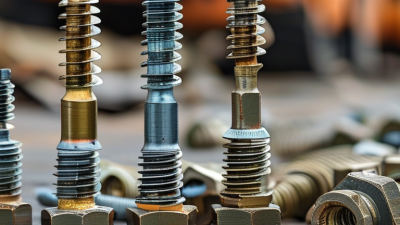
Choosing a flat head plow bolt starts with accurate measurements, not visual guesses. Measure the bolt diameter across the threads with a caliper. Then check its thread pitch using a thread gauge or a matching nut. A bolt that looks correct may still have incompatible threads.
Measure length from beneath the flat head to the threaded tip. This detail matters when fastening a cutting edge or steel wear plate. Too short, and the nut may not fully engage. Too long, and the exposed thread can collect packed snow and grit. Record the diameter, length, and thread type before ordering replacements.
Head design deserves equal attention. A flat countersunk head should sit nearly flush with the working surface. Check the recess depth and angle, because a mismatched head can remain raised or damage the mounting hole. Many plow bolts also use a square neck beneath the head. It prevents rotation while tightening, but the neck must fit the existing hole.
Material and strength markings should match the equipment’s service demands. Confirm the manufacturer’s specification or compare an undamaged original bolt. Do not rely on color alone. Surface coatings can look similar. Measurements can also conflict when old holes are worn. That is where careful inspection matters. I would replace a questionable nut rather than force a nearly matching thread. It costs less than correcting damaged hardware later.
How to Choose Flat Head Plow Bolts in 2026?
Match the replacement bolt to the original nominal diameter and thread standard. The chart shows common Unified National Coarse (UNC) thread options used for general plow and agricultural equipment repairs.
Choose a flat or domed countersunk head when the fastener must sit flush with the working surface, and select a square neck when the bolt relies on anti-rotation in a matching square hole. Confirm the head diameter, head angle, neck dimensions, length, material, and grade against the equipment specification before installation.
Thread data follows common ASME B1.1 UNC sizes. Metric equivalents are approximate nominal diameter conversions.
Check Fit, Installation Methods, Maintenance, and Replacement Needs
How to Choose Flat Head Plow Bolts in 2026?
Check Fit, Installation Methods, Maintenance, and Replacement Needs
Choosing flat head plow bolts in 2026 starts with fit, not appearance. Measure the bolt diameter, length, thread pitch, and head profile. Compare these measurements with the plow blade and cutting-edge holes. The square neck must seat firmly without spinning. A bolt that is slightly too long may catch debris or reduce ground clearance. Check the steel grade and load requirements in the equipment service manual.
Installation needs a clean, accurate approach. Remove rust and packed soil from every hole. Insert the flat head from the blade side, then install the washer and nut behind it. Tighten bolts in a crisscross pattern when several fasteners share one cutting edge. Use a calibrated torque wrench and follow the specified torque value. Do not rely only on hand strength. I once reused a bolt that looked acceptable, but its worn neck caused uneven tightening. That mistake taught me to inspect hidden surfaces.
Maintenance should include a quick inspection after heavy plowing or contact with hard ground. Look for raised heads, stretched threads, loose nuts, and elongated holes. Replace damaged hardware as a set when wear is uneven. A replacement is also sensible when corrosion has reduced the shank diameter. Marking inspection dates can reveal repeated loosening. It may seem excessive. Still, small movement can become blade vibration, poor cutting performance, and faster wear. Recheck new bolts after the first operating shift.