Essential Wheel Stud Bolt Tips for Global Buyers
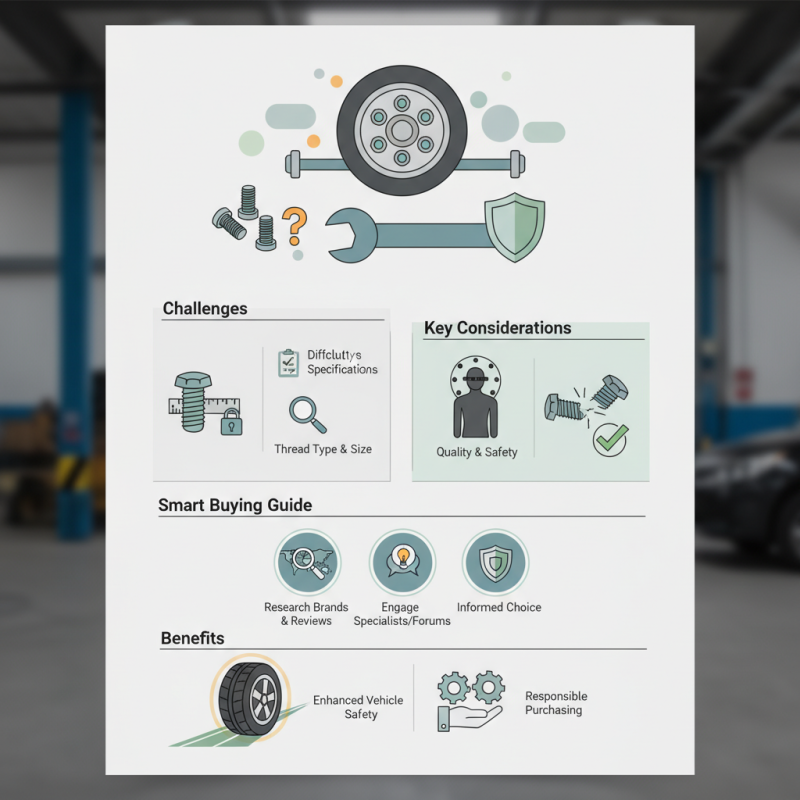
When it comes to purchasing Wheel Stud Bolts, buyers face numerous challenges. The market offers a wide range of options, making decisions difficult. A reliable Wheel Stud Bolt is crucial for vehicle safety and performance. However, understanding specifications and quality standards is key.
Many buyers overlook the importance of thread types and sizes. This oversight can lead to improper fitting. Always check compatibility with your vehicle model before buying. Quality should never be compromised; inferior bolts can cause severe accidents.
Navigating this market requires vigilance. Researching brands and reading user reviews helps establish trust. Engaging with specialists or forums offers insights into the best practices. A well-informed choice empowers buyers and enhances vehicle safety. Emphasizing the significance of high-quality Wheel Stud Bolts ensures a secure driving experience while fostering a more responsible purchasing approach.
Understanding Wheel Stud Bolts: Types and Materials
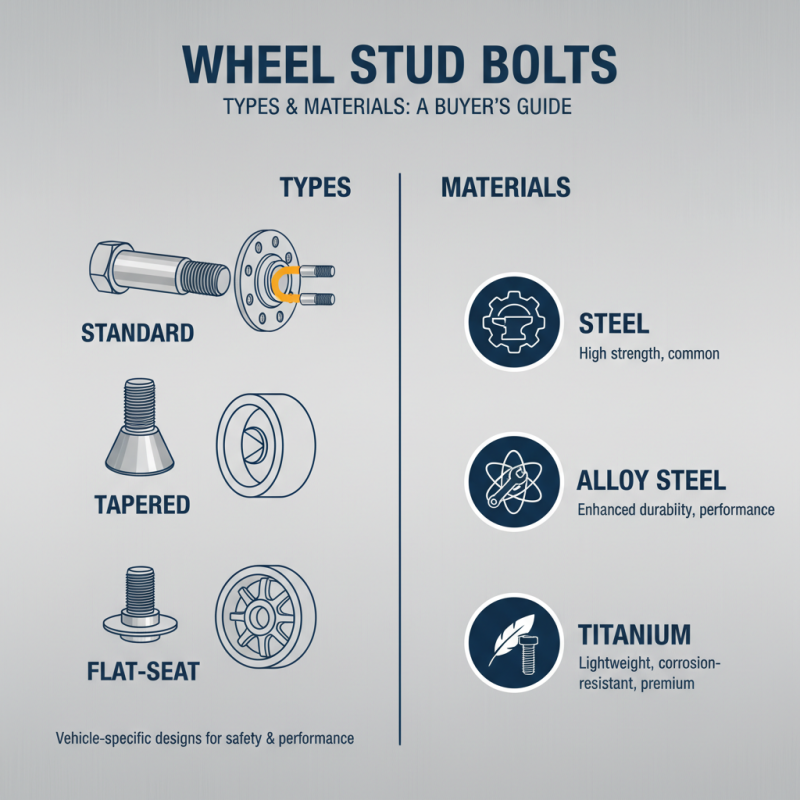
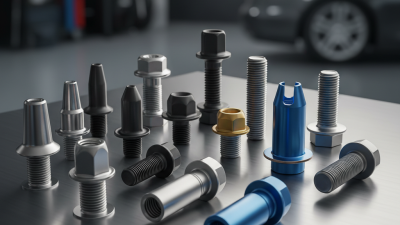
When it comes to wheel stud bolts, understanding their types and materials is crucial for any buyer. Different vehicles require specific wheel stud designs. For example, there are standard bolts, tapered bolts, and flat-seat bolts. Each design serves distinct purposes and fits various wheel types. Choosing the right design ensures safety and optimal performance.
Materials also play a significant role in the quality of wheel stud bolts. Common materials include steel, aluminum, and titanium. Steel offers strength and durability, while aluminum provides lightweight options. Titanium is known for its high strength-to-weight ratio but comes at a premium price. Coatings like zinc or chrome can enhance corrosion resistance too.
It’s important to consider the environment where the vehicle operates. Corrosion can weaken bolts over time. Buyers need to reflect on the conditions they face. Not all materials suit every circumstance. Making informed choices will lead to better longevity and performance of wheel components. Sometimes, relying on manufacturer specifications alone can be limiting. Exploring diverse options helps in making a better selection.
Key Factors to Consider When Purchasing Wheel Stud Bolts
When purchasing wheel stud bolts, there are several key factors to consider.
Material quality is crucial. Steel is the most common choice due to its strength and durability.
Look for bolts made from high-carbon steel or those with additional coatings for protection against rust.
Ensure you are aware of the exact specifications needed for your vehicle to avoid any mismatches.
Another essential aspect is the size and thread type.
Measuring bolt length and thread pitch accurately is vital. Even slight variations can affect performance.
It’s also wise to consider the torque specifications provided by the vehicle manufacturer.
Using the wrong torque can lead to loose or overtightened bolts,
which may result in a dangerous situation.
Don’t overlook the importance of supplier reliability.
Research suppliers and read reviews. Reliable suppliers often provide detailed information about their products.
However, even trusted brands can sometimes have flaws.
Always check the specifications and look for any signs of wear or defects before installation.
This diligence can prevent future issues.
How to Properly Install and Maintain Wheel Stud Bolts
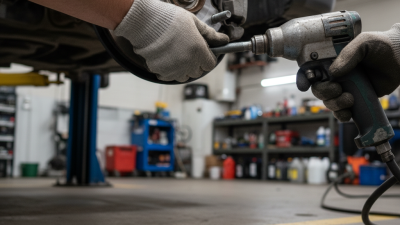
Proper installation of wheel stud bolts is crucial for vehicle safety. Experts suggest that over 60% of wheel-related issues stem from improper installation. The process begins with ensuring that the threads are clean and lubricated. Experts recommend using high-quality thread lubricant. This can prevent seizing and ensure proper torque application.
Torque values are essential. Many vehicles require a specific torque range, often measured in foot-pounds. Using a calibrated torque wrench is advisable. Inconsistent torque can lead to bolt failure or excess stress on wheel components. Regularly checking the torque after installation can help prevent future problems.
Maintenance is equally important. Inspecting wheel stud bolts at least every 5,000 miles is a good practice. Corrosion can weaken bolts, making them prone to failure. If any signs of wear appear, replacement is mandatory. Ignoring these signs can lead to costly repairs and safety risks. Keeping detailed records of maintenance can improve reliability and extend the lifespan of wheel components.
Common Mistakes to Avoid When Buying Wheel Stud Bolts
When purchasing wheel stud bolts, global buyers often face common pitfalls. One major issue is neglecting to match the bolt specifications accurately. A study by the Automotive Industry Association highlighted that mismatched bolts can lead to a staggering 30% increase in wheel-related failures. Understanding thread pitch and length is crucial, as these factors dramatically affect safety and performance.
Another mistake is overlooking the material quality. A survey of more than 250 automotive technicians revealed that nearly 40% of wheel stud failures were due to inferior materials. Proper materials, like high-strength steel, ensure durability under pressure. Buyers should also recognize the importance of finish. For instance, zinc-plated bolts resist corrosion significantly better than standard steel options. Ignoring these details can result in costly repairs and unsafe driving conditions.
Additionally, incorrect torque settings are frequently overlooked. A report from a leading automotive research firm noted that 25% of wheel stud issues arise from improper installation. Many buyers underestimate the value of torque specifications. Utilizing a reliable torque wrench is non-negotiable for both safety and wheel longevity. Investing time in these details will ultimately enhance the reliability of your vehicle.
Essential Wheel Stud Bolt Tips for Global Buyers - Common Mistakes to Avoid When Buying Wheel Stud Bolts
| Dimension |
Material |
Grade |
Length (mm) |
Thread Size |
Common Mistake |
| M12 x 1.5 |
Carbon Steel |
10.9 |
50 |
M12 |
Ignoring corrosion resistance |
| M14 x 1.5 |
Stainless Steel |
A2-70 |
60 |
M14 |
Choosing incorrect thread size |
| M10 x 1.25 |
Alloy Steel |
12.9 |
45 |
M10 |
Neglecting bolt strength |
| M16 x 1.5 |
Zinc Plated Steel |
8.8 |
70 |
M16 |
Failure to verify dimensions |
| M18 x 1.5 |
Chromoly Steel |
10.9 |
65 |
M18 |
Overlooking torque specifications |
Global Sourcing Tips for Wheel Stud Bolts: Quality and Reliability
When sourcing wheel stud bolts globally, quality and reliability are paramount. Buyers should conduct thorough inspections of potential suppliers. Evaluate their production standards and materials used. Reliable manufacturers often provide certifications and quality guarantees, which can be invaluable in the decision-making process.
Communication is another crucial aspect. Engage directly with suppliers to discuss their manufacturing processes and quality control practices. This can reveal their expertise and commitment to excellence. Be cautious, though; some suppliers may promise high standards but fail to deliver in practice. Request samples to test before making larger purchases. Testing strength and durability can prevent costly mistakes later on.
Pricing is also a consideration in global sourcing. While lower costs can be appealing, they sometimes come at the expense of quality. It's essential to balance cost with the reliability of the product. Understanding the supply chain is vital. Delays or miscommunications can arise, impacting delivery times. A clear plan can mitigate these risks.