Leave Your Message

How to Choose the Right Wheel Bolt in 2026?

Choosing the right Wheel Bolt in 2026 is more important than matching its visible shape. A bolt may look correct, yet fail because its thread pitch, seat design, or length is wrong. Modern vehicles also demand closer attention to wheel materials, braking systems, and electric vehicle weight.

The safest choice begins with the vehicle manufacturer’s specifications. Check the exact model year, wheel type, thread dimensions, bolt grade, and recommended torque. Do not rely on appearance alone. A conical seat and a ball seat are not interchangeable. The difference can be only a few millimeters, but that small gap can affect wheel contact and clamping force.

Measure carefully.

Reliable fitment catalogs and manufacturer service manuals provide stronger evidence than marketplace descriptions. A calibrated torque wrench should be used during installation, with clean and undamaged threads. Rust, stretched threads, or damaged seating surfaces deserve attention before any new Wheel Bolt is fitted. In workshop practice, rushed replacements often create avoidable problems, especially when aftermarket wheels are involved.

Material quality matters too. High-strength steel, protective coatings, and corrosion resistance can influence long-term performance in rain, road salt, and winter temperatures. However, “stronger” does not automatically mean “suitable.” The bolt still needs the correct dimensions and approval for that vehicle.

This guide examines the details that separate a dependable choice from an expensive mistake. Some recommendations may seem obvious. They are still easy to overlook. A careful inspection, verified specifications, and correct tightening procedure remain the most reliable path in 2026.
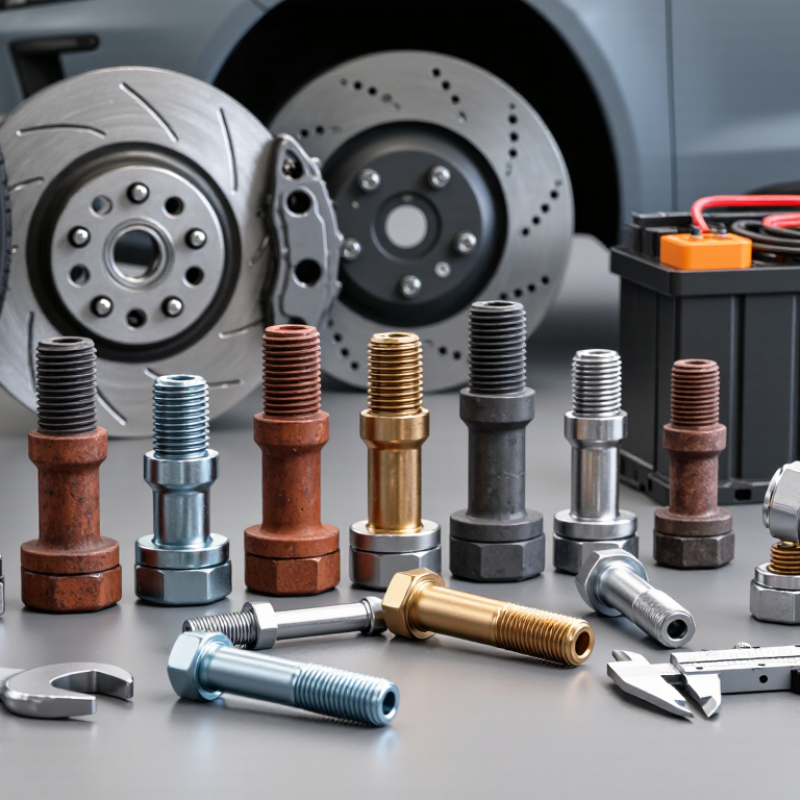
How to Choose the Right Wheel Bolt in 2026?

Wheel Bolt Basics: Types, Parts, and Essential Functions

How to Choose the Right Wheel Bolt in 2026?

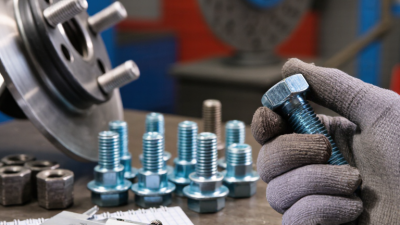
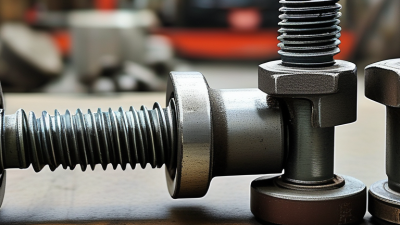
Wheel bolts secure the wheel to the hub and keep it centered during driving. Their design is simple, but every part matters. The head accepts the tool, while the threaded shaft grips the hub securely. Some bolts include a rotating collar, which can protect painted wheels and improve seating.

The most important difference is the seat shape.

Conical seats taper inward, while ball seats use a rounded contact area. They are not interchangeable. A wrong seat may feel tight but place pressure on a small, unsafe area. Thread diameter, pitch, and bolt length must also match the vehicle and wheel. Too little thread engagement can loosen under vibration. Too much length may contact internal components.

I once assumed a longer bolt was automatically safer. It was not. The extra length created clearance concerns near the brake assembly. Measure the original bolt, including its threaded length, and compare the replacement carefully. Check the thread pitch with a gauge rather than guessing. Inspect for stretched threads, damaged seats, rust, or rounded heads.

Use the vehicle service information for the required bolt specification and tightening torque. A calibrated torque wrench is more dependable than hand judgment. Tighten in a diagonal pattern, then recheck after driving a short distance. This step is easy to skip. It should not be. Quality material and corrosion resistance matter, especially where winter moisture and road salt are common.
Identify Your Vehicle’s Required Bolt Specifications

How to Choose the Right Wheel Bolt in 2026?

Identify your vehicle’s required bolt specifications before buying replacements. Check the service manual, not only the wheel’s appearance. You need the thread diameter, pitch, bolt length, seat type, and strength grade. For example, M12 × 1.5 means a 12-millimetre diameter and 1.5-millimetre thread pitch. A ball seat and a cone seat are not interchangeable. The bolt head may fit, yet the wheel can remain poorly secured. ISO 898-1 lists property class 10.9 fasteners with 1,000 MPa nominal tensile strength and 900 MPa nominal yield strength. However, stronger does not always mean suitable.

Measure carefully. Thread engagement should match the vehicle’s original specification. Too little engagement may reduce clamping security. Too much can contact internal components. SAE J2530 provides aftermarket wheel fitment and performance guidance, but it does not replace vehicle-specific torque data. Torque must come from the service manual or a qualified technician. Clean threads matter. Lubrication can change the final clamping force, so do not apply it unless specified. I have seen apparently correct bolts fail a basic seat-shape check. That was an avoidable mistake.

Tips: Photograph the original bolt before removal. Measure its threaded length with calipers. Confirm pitch using a thread gauge, not visual comparison. Check whether the wheel uses a flat, cone, or spherical seat. Tighten in a star pattern with a calibrated torque wrench. Recheck torque after a short drive, where the service instructions require it. If one specification remains uncertain, stop and verify it. Guessing is cheap; correcting damaged threads is not.

How to Choose the Right Wheel Bolt in 2026?

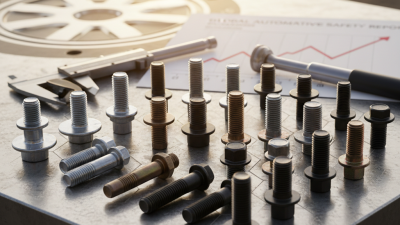
Identify your vehicle’s required bolt specifications by checking thread diameter, thread pitch, seat type, usable length, and tightening torque. The chart compares nominal diameter and pitch for common metric and inch-based wheel-bolt threads.

Thread dimensions shown are standard nominal values. Always confirm the exact specification in the vehicle service documentation; diameter and pitch alone do not confirm compatibility.

Match Thread Size, Seat Shape, Length, and Strength

How to Choose the Right Wheel Bolt in 2026?

Match Thread Size, Seat Shape, Length, and Strength

Choosing the right wheel bolt begins with the thread size. Match the diameter and thread pitch to the vehicle hub exactly. A bolt may look correct, yet cross-thread within seconds. Clean dirt and rust from the hub threads first. Start by hand. If it does not turn smoothly, stop. A thread gauge or verified service data is safer than memory. Even experienced technicians can make assumptions here.

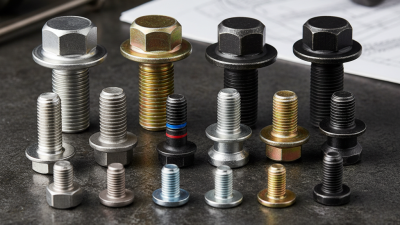
Seat shape controls how the bolt centers the wheel. Common designs include conical, ball, and flat seats. The seat must match the wheel’s contact area precisely. A cone cannot safely replace a ball seat. Check for full, even contact around the opening. Measure bolt length from the seat contact point, not simply from the head. Too little engagement may weaken clamping. Too much can reach internal hub components. Small differences matter.

Strength also deserves careful attention. Use the specified strength class and a bolt made for wheel applications. A thicker-looking bolt is not automatically stronger or suitable. Inspect for stretched threads, damaged seats, or heavy corrosion. Replace questionable hardware. Tighten bolts in a star pattern with a calibrated torque wrench. Do not rely on an impact tool’s final setting. After driving a short distance, recheck torque when service guidance allows it. My inspection routine is not flawless, so written measurements help prevent rushed decisions.

How to Choose the Right Wheel Bolt in 2026? - Match Thread Size, Seat Shape, Length, and Strength

Always verify the vehicle manufacturer's specifications, wheel design, thread pitch, seat profile, required length, and tightening torque before installation.
Typical Use Pattern Thread Size Common Seat Shape Typical Seat Detail Common Threaded Length Range Typical Property Class Selection Notes
Compact passenger vehicle M12 × 1.25 Conical 60° taper 25–35 mm 10.9 or vehicle-specified equivalent Confirm that the bolt reaches the correct engagement depth without contacting internal wheel or hub components.
Passenger vehicle with fine-pitch hub threads M12 × 1.5 Conical or spherical 60° taper or ball radius specified by the wheel 25–40 mm 10.9 A 1.5 mm pitch bolt must not be substituted for a 1.25 mm pitch bolt, even when the nominal diameter is identical.
Medium or large passenger vehicle M14 × 1.5 Conical or spherical 60° taper or matched ball radius 28–45 mm 10.9 or specified higher grade The larger diameter does not determine the seat shape; the wheel's machined seating pocket must be matched exactly.
High-load or commercial application M14 × 1.5 or M16 × 1.5 Flat washer or specified conical seat Captive washer or engineered taper 35–55 mm 10.9 or application-specified class Use the exact washer diameter, flange design, and torque specification; do not replace a washer-seat bolt with a tapered bolt.
Aftermarket wheel with cone pocket Vehicle-specific Conical Usually 60°, but measure the wheel Hub thickness + washer/spacer needs + required engagement At least the vehicle-specified grade The visual appearance of the seat is not enough; the taper angle and contact diameter must correspond to the wheel pocket.
Original wheel with ball pocket Vehicle-specific Spherical or ball Matched radius, such as R12, R13, or R14 25–45 mm, depending on hub and wheel Vehicle-specified class, commonly 10.9 A 60° conical bolt is not a safe substitute for a spherical-seat bolt because the contact pattern is different.
Wheel requiring a flat mounting face Vehicle-specific Flat seat with washer Washer diameter and thickness must match 30–50 mm Vehicle- or wheel-specified class The washer distributes clamp load across the wheel face; omitting it can produce incorrect seating and damage.
Longer bolt for a spacer Original thread size and pitch Original wheel-seat type Same cone, ball, or flat profile as the wheel Original length + spacer thickness Same or higher approved grade Length must increase only as needed; excessive length may bottom out or interfere with hub components.
Quick verification checklist: Confirm nominal diameter, thread pitch, seat profile, seat angle or radius, threaded length, head size, corrosion condition, strength class, and the specified tightening torque. Wheel bolts should engage smoothly by hand before tightening.

Check Material Quality, Standards, and Compatibility

How to Choose the Right Wheel Bolt in 2026?

Choosing the right wheel bolt starts with material quality. In workshop inspections, I have seen cheap bolts develop surface rust after one wet season. High-strength alloy steel usually offers better load resistance and fatigue performance. Check for clear grade markings and consistent machining. The threads should feel sharp, even, and free from flattened sections. A smooth, clean surface matters. Do not rely on vague terms such as “premium metal.” Request material details or a traceable test report when possible.

Standards turn product claims into practical checks. Confirm the required strength grade, thread size, pitch, diameter, and seating design. Current vehicle service data remains the safest reference. I once treated a matching diameter as enough. It was not. The wrong seat shape can create poor contact and uneven clamping. Check whether the bolt uses a conical, spherical, or flat seat. Follow the vehicle maker’s torque specification with a calibrated torque wrench. Guessing can damage threads or reduce wheel security.

Compatibility also includes bolt length and clearance. A bolt that is too short may not engage enough threads. One that is too long can contact internal components. Compare the new bolt with the original one carefully. Check wheel thickness, spacers, brake clearance, and corrosion around the mounting holes. Standards may vary by vehicle market, so verify the exact application rather than trusting a general catalog. Even careful checks can miss a detail, which is why a qualified technician should inspect uncertain fitments.

Install and Maintain Wheel Bolts Safely in 2026

Choosing the right wheel bolt begins with accurate vehicle information. Check the required diameter, thread pitch, bolt length, seat shape, and strength grade. A bolt that looks similar may still fit incorrectly. Use the vehicle manufacturer’s service data or a qualified technician’s measurement, not guesswork.

Before installation, inspect every bolt under bright light. Look for stretched threads, rounded heads, deep rust, or damaged seating surfaces. Clean the hub and bolt threads with a suitable brush. Do not add grease unless the service instructions specifically allow it. Lubrication can change clamping force and cause over-tightening. Hand-start each bolt to prevent cross-threading. The wheel should sit flat against the hub.

Tighten bolts in a diagonal pattern with a calibrated torque wrench. Follow the specified torque value, because “as tight as possible” is not a professional method. I once found a slightly loose bolt after a rushed wheel change; the mistake was relying on feel. Recheck your process. After driving a short distance, inspect for movement, noise, or visible gaps. Some vehicles require a torque check after the first 50–100 kilometers, but the service instructions should control. Replace questionable bolts instead of forcing them back into service. Keep the spare bolts dry and separated from ordinary hardware.