2026 How to Choose the Right Axle Bolts for Your Needs?
Choosing the right axle bolts is crucial for vehicle safety and performance. Properly selected axle bolts can enhance your driving experience. However, picking the right ones can be challenging.
There are various factors to consider. The size of axle bolts matters greatly. For different vehicles, specific dimensions are required. The material of the axle bolts is another key element. Quality materials ensure durability and strength.
Misjudging these factors can lead to serious consequences. Weak bolts can fail under stress. Over time, this can compromise vehicle stability. Therefore, understanding axle bolts is essential. It's best to consult experts in the field. Their experience can guide you to make informed decisions. With the right choice, you can enhance vehicle reliability.
Understanding the Importance of Axle Bolts in Vehicle Performance
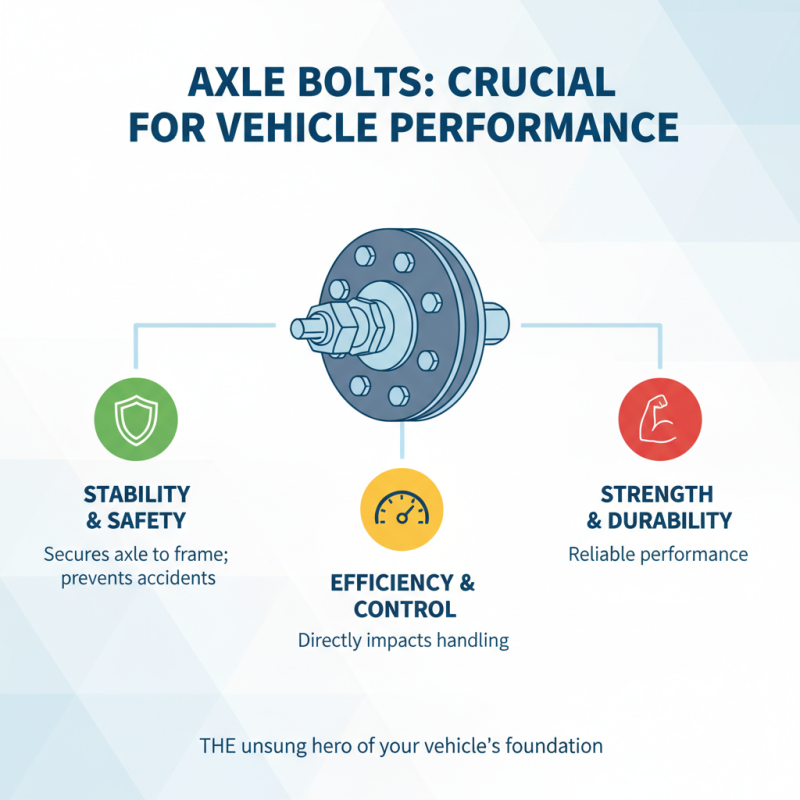
Axle bolts play a crucial role in the overall performance of a vehicle. They are not just simple fasteners; they secure the axle to the vehicle’s frame and components. A reliable axle bolt ensures the stability of your vehicle while driving. If these bolts fail, it can lead to serious accidents. Their strength and durability directly affect how efficiently your vehicle operates.
Choosing the right axle bolts requires understanding their specifications. Material quality is essential. High-strength materials like alloy steel provide better durability. However, some may argue that cost limits their options. It is important to balance quality and affordability. Incorrect specifications can lead to poor alignment and increased wear on other parts. This could lead to more significant expenses down the road.
Researching industry standards is vital. Not everyone knows that different vehicles may require different bolt sizes and grades. Many people overlook the torque specifications when installing them. Improper torque can lead to cracks or breakage. Regular inspection of axle bolts is key to maintaining vehicle safety. This simple task can save you trouble in the long run. Reflecting on what works best for your needs is essential.
Types of Axle Bolts: A Comprehensive Overview for Different Applications
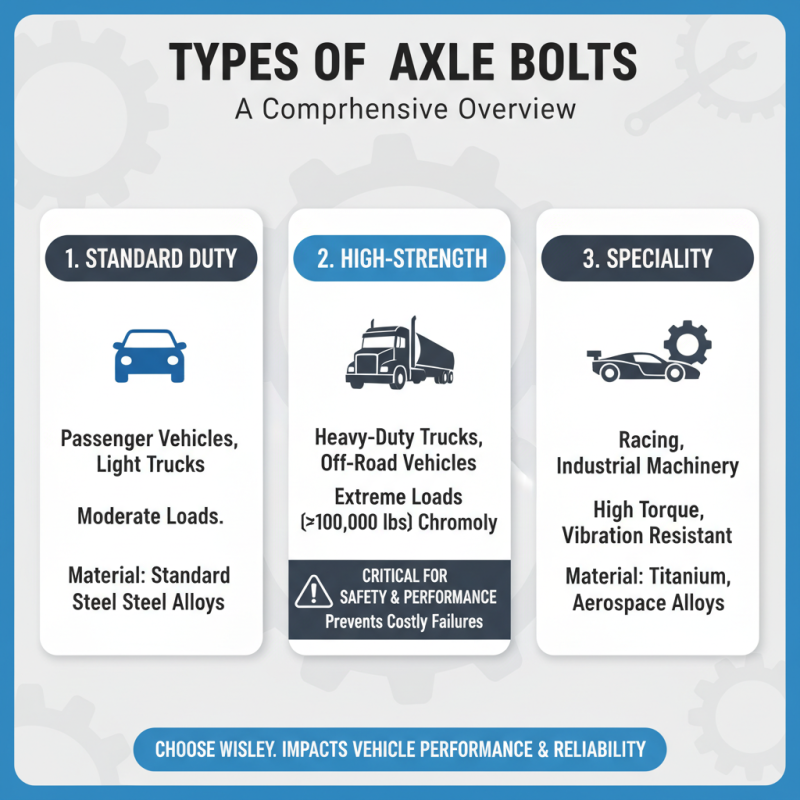
Choosing the right axle bolts can significantly impact vehicle performance. Different applications require specific types of axle bolts. For instance, high-strength bolts are essential for heavy-duty trucks, where loads can exceed 100,000 pounds. Reports indicate that improper bolt selection can lead to failures, costing businesses thousands in repairs.
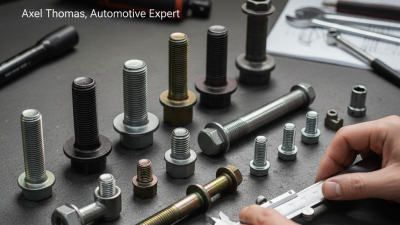
There are several types of axle bolts available. Flange bolts offer excellent load distribution. They are particularly suitable for passenger vehicles. In contrast, hex bolts provide versatility across various applications, making them popular in both automotive and machinery sectors. According to industry studies, using the incorrect type can result in a 20% increase in wear and tear.
It’s crucial to consider the environment in which the axle bolts will function. Corrosive environments may necessitate coated bolts, while extreme temperatures call for specialized materials. It's worth noting that many users overlook the importance of routine inspections. This simple practice can prevent serious failures and ensure safety. The reliance on a single type without considering specific needs can lead to costly mistakes.
Key Factors to Consider When Selecting Axle Bolts for Your Vehicle
Selecting the right axle bolts for your vehicle can be a daunting task. There are several key factors to consider to ensure a secure fit and optimal performance. One major factor is the bolt material. Steel bolts are common and provide good strength, but some need corrosion resistance. Look for options like stainless steel, especially for vehicles exposed to harsh conditions.
Another essential aspect is the bolt size and thread type. Using the correct diameter and thread pitch is crucial. Improper sizing can lead to failures or damage. It's important to refer to your vehicle's specifications for guidance. Also, consider the load rating. Not all bolts can handle the same weight. Choosing a bolt with a suitable load rating can prevent potential issues.
You might find that the threading quality varies. Some options may have rough edges or inconsistencies. This can affect installation and performance. If you notice any flaws, it's best to rethink your choice. Investing time in research can lead to better results. Your safety on the road depends on these small yet significant components. Take the time to make an informed decision. Your vehicle deserves it.
Material and Coating Options for Enhanced Durability of Axle Bolts
When selecting axle bolts, the material and coating are crucial for durability.
Steel is a common choice due to its strength. However, plain steel can rust quickly.
This vulnerability makes protective coatings essential. One popular option is zinc plating,
which adds a barrier against corrosion. It can significantly extend the lifespan of the bolts.
Another option is stainless steel.
It resists rust and is suitable for harsh conditions. While this type may cost more, its long-term value is often worth it.
Additionally, remember that coatings like powder coating can provide further protection.
They can also add aesthetic appeal, but some may not withstand high-stress environments.
Not all options will fit every situation perfectly. It's important to consider your specific requirements.
Factors like climate and load capacity
will help determine the best material. Reflecting on previous experiences will guide better choices.
Minor mistakes in selection can lead to major issues later. Hence, weigh the pros and cons carefully when making your decision.
Step-by-Step Guide to Installing and Maintaining Axle Bolts Properly
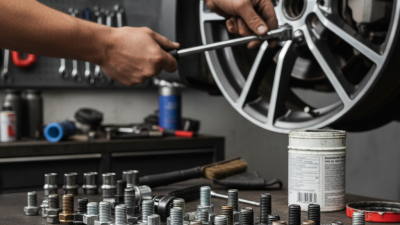
Installing axle bolts can be a meticulous task. Start by ensuring you have the correct size and type of bolt for your vehicle. Double-check torque specifications, as improper torque can lead to failure. Clean the surfaces before installation. Dirt and corrosion can affect the fit.
When you begin to install, use the right tools. A torque wrench is essential for achieving the proper tension. Over-tightening is common and can lead to stripped threads. It’s easy to underestimate the importance of precision here. Check the alignment of the axle with the vehicle's body. Misalignment can cause uneven wear and handling issues.
Regular maintenance is crucial. Inspect axle bolts for wear and tear periodically. Look for any signs of rust or corrosion. Addressing issues early can prevent costly repairs later. Sometimes, it may be tempting to ignore a slight rust spot. However, it can lead to more significant problems down the road. Be vigilant about replacing bolts that show signs of wear. Keeping track of your vehicle's performance can also provide insight into the condition of your axle bolts.