How to Choose the Right Wheel Bolts for Your Vehicle?
Choosing the right wheel bolts for your vehicle is crucial. Wheel bolts are more than just fasteners; they ensure safety and stability. According to a recent industry report, improper wheel bolt selection can lead to severe accidents. In fact, inadequate bolt strength contributes to 10% of roadside failures.
Vehicle manufacturers provide specifications for wheel bolts, but many drivers overlook them. Each vehicle type requires specific sizes, thread patterns, and materials. Failure to comply with these standards can cause costly damage. For instance, using a bolt that is too short can compromise the wheel's attachment, leading to dangerous situations.
Understanding the specific requirements for your vehicle is essential. A wrong choice can lead to vibrations, noise, and eventual wheel detachment. It is a reality that many drivers face—overlooking such a small component can have dire consequences. Take the time to research and consult professionals when selecting wheel bolts. Their expertise can guide you toward making safer, more informed decisions.
Understanding Wheel Bolt Types and Specifications
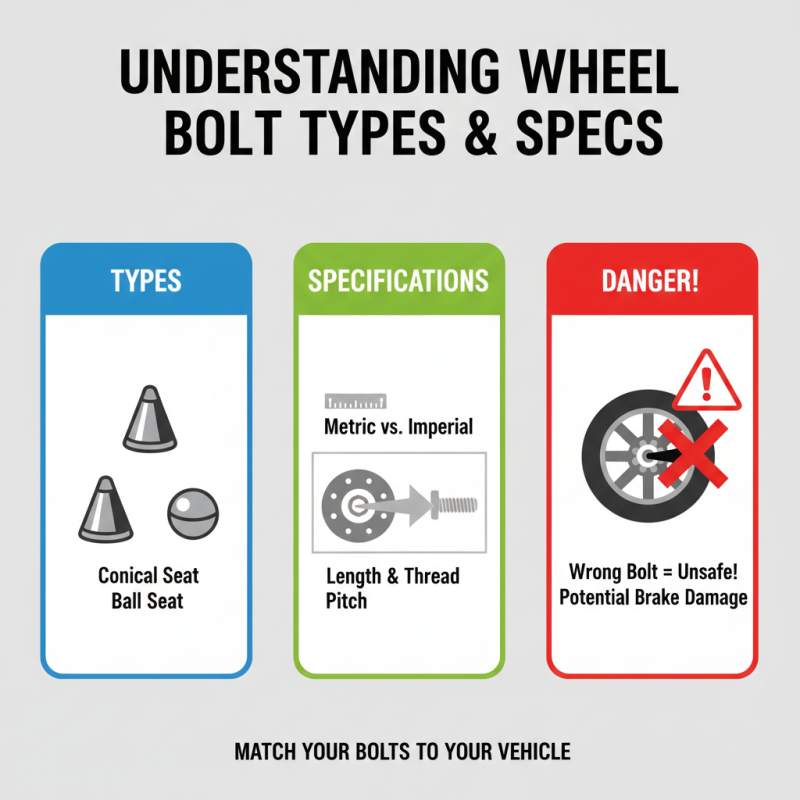
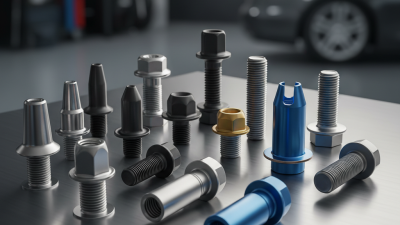
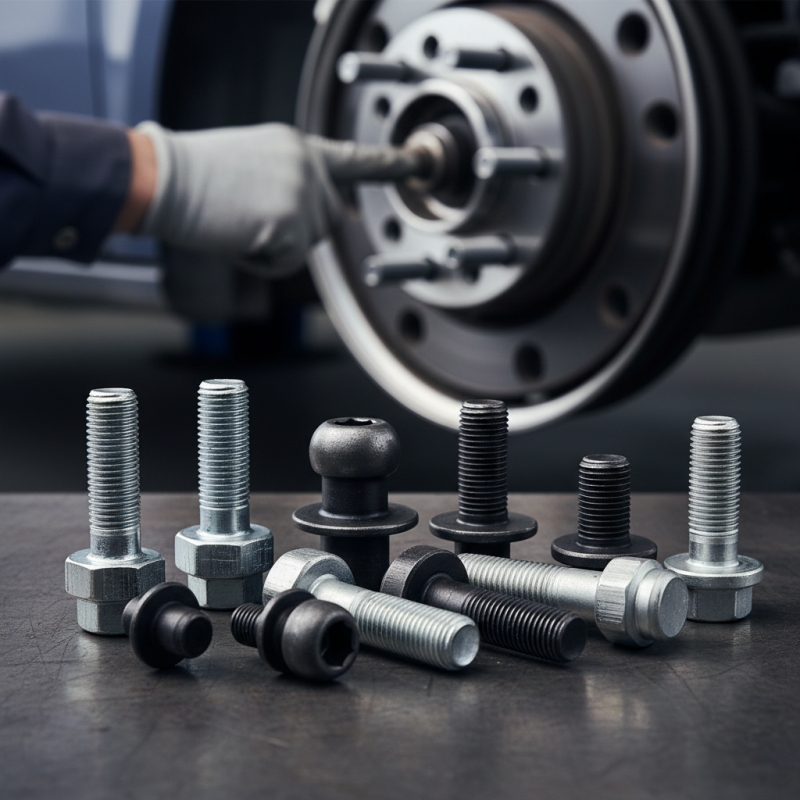
When selecting wheel bolts, understanding types and specifications is crucial. Wheel bolts come in different shapes and sizes, each designed for specific vehicles. Research indicates that a common mistake is overlooking the difference between metric and imperial measurements. A wheel bolt that doesn’t match your vehicle could lead to a dangerous situation. For instance, too long of a bolt may cause damage to brake components.
The material of wheel bolts also plays a significant role. Most are made from high-strength steel, which balances weight and durability. However, not all steel is created equal. Reports suggest that bolts with a tensile strength of at least 10.9 are ideal for high-performance vehicles. This specification ensures that they can withstand significant stress during braking and acceleration.
Furthermore, the thread pitch is another aspect often neglected. Common thread pitches are 1.25mm and 1.5mm. Mixing these up can lead to stripped threads or, worse, a wheel detaching while driving. Choosing wheels that fit your bolt specifications requires precise measurements, including length and diameter. Always refer to the vehicle's manual for exact specifications. Misjudging these details can be costly and hazardous.
Identifying the Correct Wheel Bolt Size for Your Vehicle
Choosing the correct wheel bolt size for your vehicle is crucial for safety and performance. According to recent studies, improper wheel bolt sizing can lead to wheel detachment, resulting in serious accidents. The exact specifications depend on factors like vehicle make, model, and type of wheels.
To identify the right size, check the vehicle’s manual for detailed specifications. Most bolts are measured in diameter and thread pitch. For example, a common size for many passenger cars is M12x1.5. A miscalculation here can cause a loose fit. Industry reports indicate that over 30% of vehicle owners unknowingly use incorrect bolts, increasing the likelihood of failures.
Professional mechanics emphasize the importance of using a torque wrench to ensure proper tightening. The recommended torque values vary, typically between 80 to 100 ft-lbs for many vehicles. Under-tightening or over-tightening could lead to stripped threads or warping. Taking the time to confirm bolt size and torque specifications will enhance safety on the road.
Examining Wheel Bolt Material and Its Impact on Performance
When choosing wheel bolts, consider the material carefully. Steel bolts are the most common choice. They offer strength and durability. However, they can be heavy. Aluminum bolts are lighter but may not withstand the same pressure as steel. This can affect vehicle performance.
The tensile strength of the bolt material matters greatly. High-quality bolts can endure significant stress. This is essential for high-performance vehicles. On the other hand, low-quality materials may lead to failure. A failure might result in serious safety risks. It’s crucial to evaluate the manufacturer’s specifications and reliability.
Corrosion resistance is another vital factor. Zinc-plated bolts resist rust better. Meanwhile, uncoated bolts may degrade over time. This degradation can lead to costly repairs. Always consider the environmental conditions in which your vehicle operates. Choosing the right material can enhance both longevity and performance, making it a key aspect of vehicle maintenance.
Assessing Torque Requirements for Proper Wheel Installation
When selecting wheel bolts, understanding torque requirements is crucial. Proper torque ensures that wheel bolts secure the wheels effectively without failure. According to the Society of Automotive Engineers (SAE), incorrect torque can lead to serious safety issues, including wheel detachment. Each vehicle possesses specific torque specifications based on its design and weight.
Many vehicle manufacturers recommend torque settings between 80 to 100 lb-ft for passenger vehicles. However, larger vehicles may require up to 150 lb-ft. A reliable digital torque wrench is essential for accurate measurement. Miscalibrated tools can yield inconsistent results, leading to either under-tightening or over-tightening. Studies show that 30% of wheel-related incidents are due to improper torque maintenance.
Regular checks on torque levels after wheel installation are vital. Ironically, many vehicle owners neglect this maintenance step. It is essential to remember that environmental factors, like temperature changes and road conditions, can affect bolt tension. Keeping a record of torque values over time can help identify potential issues early. Using a professional service might provide peace of mind when it comes to ensuring proper installation.
Torque Requirements for Wheel Bolts by Vehicle Type
Recognizing Safety Features and Standards for Wheel Bolts
When choosing wheel bolts, safety features are crucial. They ensure that the wheels stay attached under various driving conditions. Reliable wheel bolts should meet specific industry standards. These standards test their strength and durability, impacting your vehicle's safety.
One critical safety feature is the material used in manufacturing. High-quality bolts are usually made from hardened steel. This ensures they can withstand significant stress without bending or breaking. Checking for certifications can provide assurance of their reliability. Additionally, pay attention to the thread size and pitch. They must match your vehicle's specifications to prevent stripping.
Tips: Always inspect the condition of your wheel bolts regularly. Look for signs of wear or corrosion. Replace any that appear damaged or worn. Using a torque wrench during installation is essential. This ensures the bolts are tightened to the manufacturer's recommendations, enhancing safety. Remember, neglecting these details can compromise your vehicle's performance. Regular maintenance goes a long way in ensuring that your wheels remain securely fastened.