How to Choose the Right Wheel Bolt for Your Vehicle?
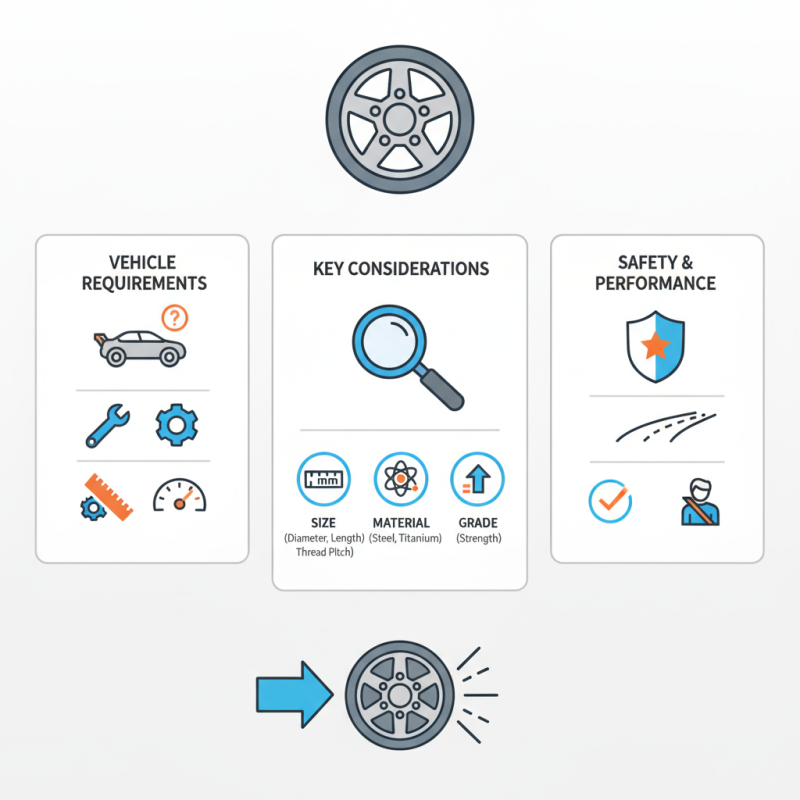
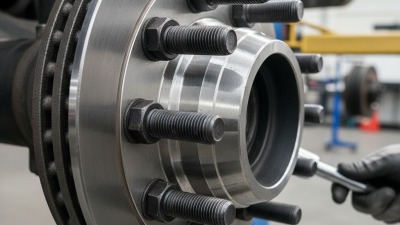
Choosing the right wheel bolt for your vehicle can be challenging. Each vehicle has specific requirements. The wheel bolt plays a crucial role in safety and performance. Selecting the wrong type may lead to accidents. It's essential to consider factors like size and material.
Many drivers overlook these details. They may assume all wheel bolts are similar. However, this can be dangerous. You'll find various specifications based on vehicle make and model. Failing to match these can result in issues, such as vibrations or loose wheels.
Research is vital when looking for the ideal wheel bolt. Measure the bolt's diameter and thread pitch accurately. Pay attention to the bolt's length and grade. Even small discrepancies can affect performance. Understanding these elements can help ensure a safer driving experience.
Understanding Wheel Bolt Specifications for Your Vehicle
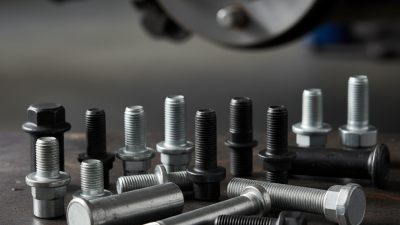
When selecting the right wheel bolt for your vehicle, understanding specifications is crucial. Different vehicles require different sizes and types of wheel bolts. The specifications include diameter, thread pitch, and length. A mismatch can lead to serious safety issues or damage to your wheels.
The diameter is the most critical factor. It ensures the bolt fits snugly into the wheel hub. Most vehicles use either metric or imperial measurements. You can measure bolt diameter using calipers to get an accurate reading. Thread pitch refers to the distance between threads. This specification is often overlooked yet essential. It affects how well the bolt will grip and hold the wheel.
Lastly, the length of the bolt matters. If the bolt is too long, it can interfere with brake components. If too short, it may not provide a secure fit. It's wise to double-check your vehicle's manual for precise specifications. However, many still overlook this detail, potentially leading to unsafe driving conditions. Always keep in mind that proper installation is key. Quality bolts ensure better performance and safety. Be cautious and reflective when choosing the right components for your wheels.
How to Choose the Right Wheel Bolt for Your Vehicle? - Understanding Wheel Bolt Specifications for Your Vehicle
| Vehicle Make |
Model Year |
Bolt Thread Size |
Bolt Length |
Material |
Grade Rating |
| Toyota |
2020 |
M12 x 1.5 |
40 mm |
Steel |
10.9 |
| Honda |
2019 |
M12 x 1.5 |
50 mm |
Carbon Steel |
10.9 |
| Ford |
2021 |
M12 x 1.75 |
45 mm |
Alloy Steel |
8.8 |
| Chevrolet |
2018 |
M12 x 1.5 |
30 mm |
Stainless Steel |
12.9 |
| Nissan |
2022 |
M12 x 1.25 |
35 mm |
High Strength Steel |
10.9 |
Factors Influencing Wheel Bolt Size and Thread Pitch
When selecting the right wheel bolt for your vehicle, several factors come into play.
The bolt size is critical. It directly affects how securely
the wheel attaches to the hub. Most vehicles have specific requirements. Ignoring these can lead to
safety issues.
Thread pitch is equally important. It determines how tightly the bolt fits into the wheel hub.
A mismatched pitch can cause uneven pressure.
Over time, this might lead to bolt failure. Some vehicles require fine thread, while others use coarse.
Checking your vehicle’s manual is essential here.
The length of the bolt must also correspond with the wheel's thickness. If the bolt is too short,
it won’t grip properly. Too long, and it may damage internal components. Many overlook this detail.
In the end, neglecting these aspects can lead to significant safety concerns.
It's important to reflect on the choices made.
Making informed decisions here is crucial for your vehicle's performance and safety.
Material Selection: Steel vs. Aluminum Wheel Bolts
When selecting wheel bolts for your vehicle, the choice between steel and aluminum can be pivotal. Steel bolts are favored for their strength and durability. According to a 2021 automotive materials report, steel can withstand significant tensile stress, making it ideal for heavy-duty applications. Typically, steel bolts have a yield strength of around 370 MPa, which offers excellent performance under challenging conditions. However, their weight might be a downside for some users.
Aluminum bolts present a lighter alternative. They are about one-third the weight of steel, which can enhance vehicle performance and fuel efficiency. A study from the International Journal of Automotive Engineering states that reducing unsprung weight can improve handling. Aluminum bolts usually have lower tensile strength than steel. This discrepancy could lead to concerns about their longevity under heavy loads.
Both materials have their pros and cons. While steel offers robustness, aluminum provides weight savings. It’s essential to consider specific vehicle requirements and driving conditions before making a decision. Balancing performance and safety is crucial. In some instances, using steel bolts in high-load situations may be more prudent.
Comparison of Wheel Bolt Material: Steel vs. Aluminum
This chart compares the weight, strength, and cost of steel and aluminum wheel bolts, helping you make an informed decision when selecting the right wheel bolt for your vehicle.
Torque Specifications: Ensuring Proper Tightening of Wheel Bolts
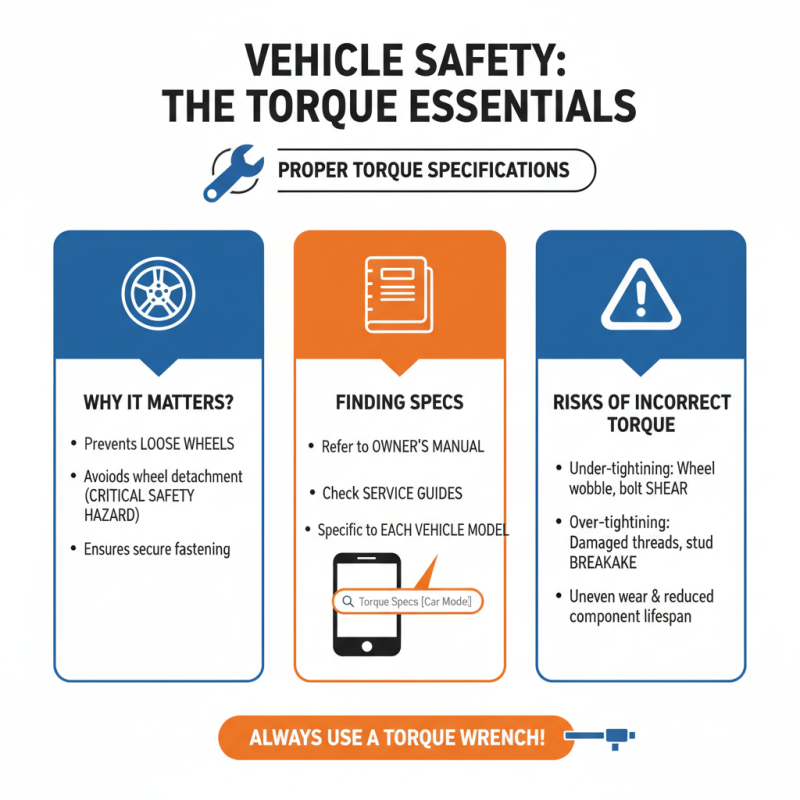
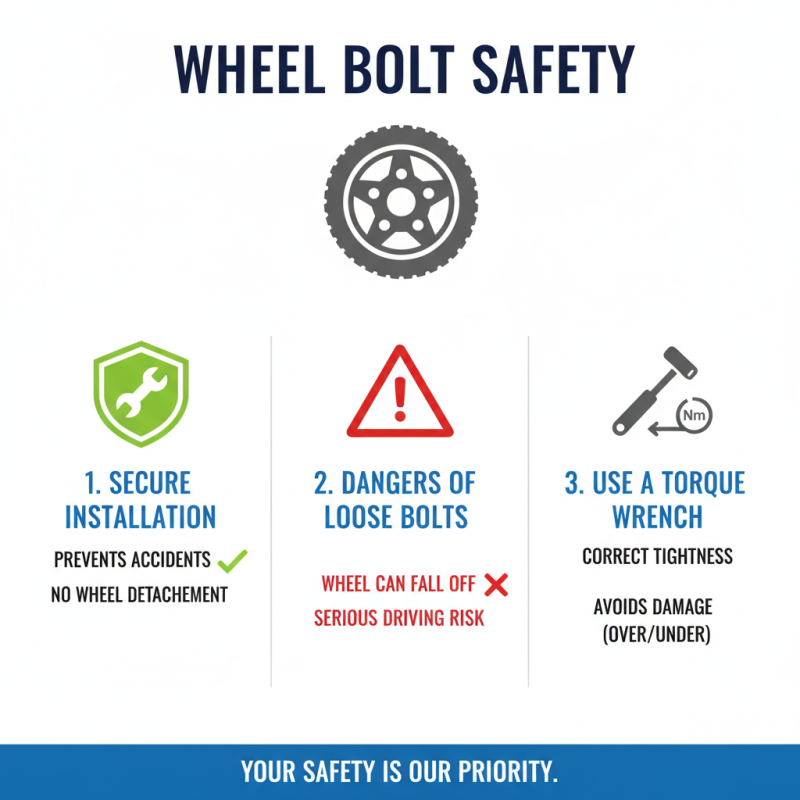
Proper torque specifications are essential for maintaining your vehicle's safety. When tightening wheel bolts, it’s crucial to follow the manufacturer’s guidelines. Incorrect torque can lead to issues like loose wheels or, in the worst case, a wheel falling off. Each vehicle requires specific torque settings. These can often be found in the owner's manual or service guides.
Using a torque wrench is advisable. It allows you to apply the correct amount of force. Over-tightening is a common mistake. Stripping the threads or damaging the bolt can occur easily if too much force is applied. It's also important to check the torque after a few hundred miles. Bolts can settle, and retightening may be necessary.
Be mindful of the process. Always tighten bolts in a star pattern. This ensures even pressure across the wheel. If unsure about the process, ask for help. Rushing through this task may lead to costly mistakes. Regular checks can prevent unexpected situations on the road.