2026 How to Choose the Right Lug Bolts for Your Vehicle?
Choosing the right lug bolts is crucial for your vehicle’s safety and performance. The right bolts ensure your wheels stay securely attached. However, many people overlook this important aspect of vehicle maintenance.
Lug bolts come in various sizes, thread patterns, and materials. It can be overwhelming to find the perfect match for your car or truck. Mismatched bolts can lead to serious issues, such as wheel detachment while driving. This scenario is both dangerous and potentially costly.
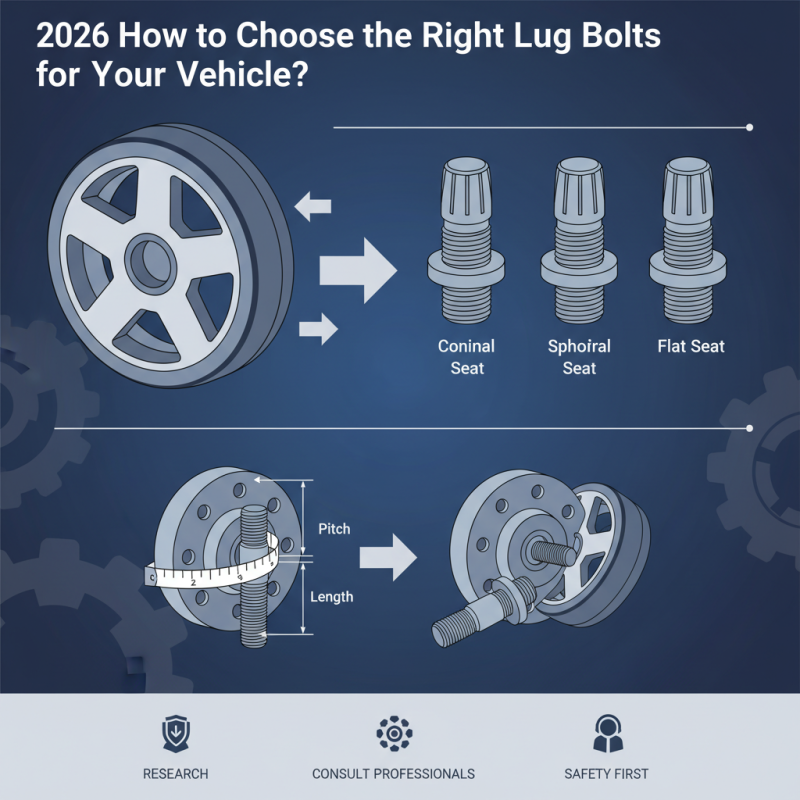
Understanding the specifications of your vehicle is essential. Not every lug bolt will fit every wheel. Be aware of the size, pitch, and length when making your choice. You may find the process complicated, and sometimes it’s easy to make mistakes. Take your time, do your research, and consult professionals if needed. This will help ensure you choose the right lug bolts for your vehicle.
Understanding Lug Bolts and Their Importance for Vehicle Safety
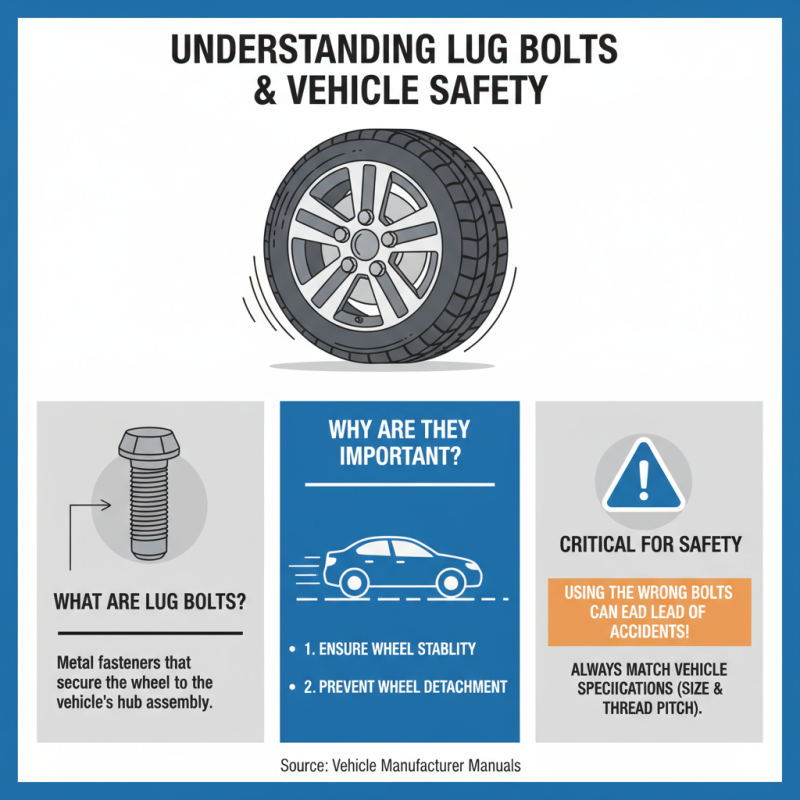
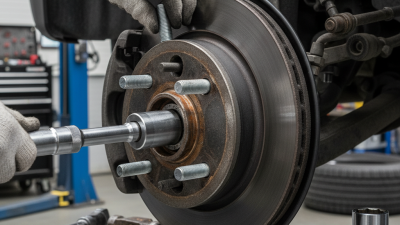
Lug bolts are essential for vehicle safety. They secure the wheel to the hub, ensuring stability while driving. Using the correct type of lug bolts is critical. Using the wrong bolts can lead to accidents or wheel detachment. Vehicle specifications dictate the size and thread pitch of these bolts.
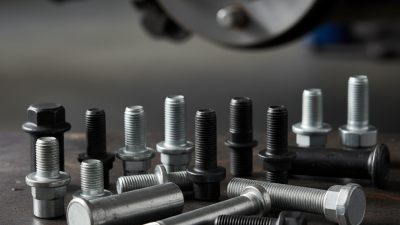
Understanding the materials used for lug bolts is important. Steel lug bolts offer strength but can corrode over time. Chrome or coated options can resist rust. However, they may not be as durable under extreme stress. Inspecting your lug bolts regularly is vital. Look for signs of wear, rust, or damage. Faulty bolts should be replaced immediately.
Choosing the right lug bolts requires knowledge. Different vehicles have varying requirements. It is easy to overlook this aspect of maintenance. A lack of attention could lead to serious safety issues. Always refer to the vehicle manual for specifications. Remember, even small details matter when it comes to safety on the road.
Identifying the Correct Specifications for Your Vehicle’s Lug Bolts
When it comes to selecting lug bolts for your vehicle, understanding the specifications is crucial. Each vehicle has specific requirements that ensure safety and performance. Start by checking the owner’s manual. This document usually provides essential details about the correct bolt size, thread pitch, and seat style. Ignoring these specifications can lead to improper fitment, which results in safety hazards.
Measuring your current lug bolts can also help. Use a caliper or ruler to determine the length and diameter. Verify the thread type, whether it's metric or imperial. Additionally, consider the seat type—tapered, flat, or ball. These factors affect the wheel's interaction with the bolt and ultimately influence driving stability. It is easy to overlook such details, thinking they are minor. However, improper selection can lead to wheel failure.
Remember, not all bolts are created equal. Materials vary, and choosing the right steel grade for durability is vital. Cheap alternatives may save money but can compromise safety. Regular checks on the condition of lug bolts can also help ensure they remain secure over time. Balancing cost with quality is a common dilemma but is essential for optimal vehicle performance.
2026 How to Choose the Right Lug Bolts for Your Vehicle? - Identifying the Correct Specifications for Your Vehicle’s Lug Bolts
| Vehicle Make |
Model Year |
Thread Size |
Bolt Length |
Seat Type |
Quantity Required |
| Toyota |
2020 |
12x1.5 |
50mm |
Cone |
5 |
| Honda |
2019 |
12x1.5 |
45mm |
Ball |
4 |
| Ford |
2018 |
14x2.0 |
60mm |
Cone |
5 |
| Chevrolet |
2021 |
12x1.75 |
55mm |
Ball |
5 |
Factors to Consider When Selecting Lug Bolts for Different Wheel Types
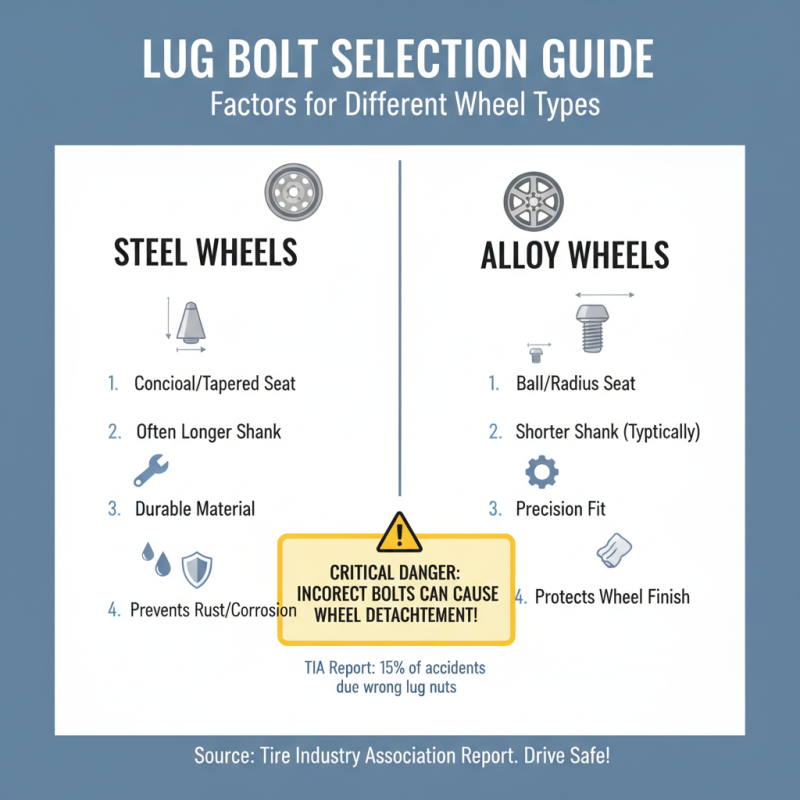
When selecting lug bolts for your vehicle, several factors come into play. The type of wheel you have is paramount. Steel wheels often require different lug bolts than alloy wheels. Choosing the incorrect type can lead to severe issues, such as wheel detachment while driving. According to a recent industry report from the Tire Industry Association, improper lug nut selection accounts for nearly 15% of wheel-related vehicle accidents.
Another critical consideration is bolt size and thread pitch. Manufacturers outline specifications for each vehicle. Ignoring these guidelines heightens the risk of failure. Sticking to designated sizes, usually in diameters ranging from 12mm to 14mm, keeps safety intact. Using a torque wrench for proper tightening is essential. Research indicates that 50% of users overlook this step, undermining the integrity of the connection.
Tip: Always check for the recommended torque specifications specific to your vehicle. This minor detail can significantly impact safety and performance.
Material also plays a role. Some prefer chrome-plated bolts for aesthetics, but they can corrode. A corrosion-resistant finish, like nickel plating, may be a better choice for long-term durability. Yet, many disregard finishing quality, leading to rust and potential failure.
Tip: Regularly inspect your lug bolts. Look for signs of rust or wear. Addressing these issues early can save you from future headaches.
Material and Coating Options for Durable and Rust-Resistant Lug Bolts
When selecting lug bolts for your vehicle, material and coating are critical factors. Steel is a common choice due to its strength, but not all steel is created equal. Opt for high-carbon steel for durability. Each choice affects performance and longevity.
Coatings can enhance resistance to rust and corrosion. Zinc and chrome plating are popular options. These coatings provide a barrier against moisture and contaminants. However, over time, coatings may wear off, exposing the metal underneath. This can lead to rust if the bolts are not maintained.
Tips: Regularly inspect your lug bolts for signs of wear or corrosion. Replace any that show significant rust to maintain safety. Consider your driving environment when choosing materials. A coastal area might require more rust-resistant options. Always consult your vehicle's manual for specifications. Select lug bolts that meet or exceed these recommendations for safety and performance.
Comparison of Lug Bolt Materials and Their Rust Resistance
Recommended Brands and Sources for Quality Lug Bolts in 2026
Choosing the right lug bolts is crucial for vehicle safety and performance. In 2026, consumers should focus on reputable brands known for quality materials and durability. Industry reports indicate that around 30% of lug bolt failures stem from poor quality or incorrect specifications. Properly fitted lug bolts can significantly enhance driving stability.
Quality can vary widely among manufacturers. While many budget options exist, they often compromise on strength and corrosion resistance. A study revealed that high-quality lug bolts made from carbon steel can retain their integrity even under high-stress conditions. Industry experts recommend sourcing lug bolts from well-established suppliers who specialize in automotive parts.
Additionally, examining certifications can guide your choices. Certifications from recognized automotive standards indicate reliability. Interestingly, a survey showed that 40% of consumers overlook these crucial factors when purchasing lug bolts. Taking the time to research can prevent serious issues down the line, such as wheel detachment.