Leave Your Message
Choosing a Truck Center Bolt supplier in China takes more than comparing prices. These bolts help secure wheel assemblies, so dimensions, material quality, and manufacturing consistency matter. A mismatch in thread pitch or bolt length can create installation problems and costly delays. Small details matter. Buyers should ask about steel grades, heat treatment, hardness testing, and corrosion protection. They should also confirm that drawings and samples match the intended vehicle application. A polished catalog is useful, but it is not proof of dependable production.
This guide explains how to assess suppliers through practical questions and verifiable evidence. It covers factory capabilities, quality-control records, sample evaluation, communication, and order terms. Ask how batches are inspected and whether test reports can be linked to specific production lots. Check how the supplier handles dimensional deviations or rejected samples. A low quote can look convincing. It may not include clear specifications or consistent inspection. Even experienced buyers can overlook small differences when reviewing documents quickly. A spreadsheet cannot show everything, and this guide cannot replace hands-on checks. Request samples, compare measurements with your drawings, and clarify requirements in writing. Careful verification helps buyers make a more informed choice.
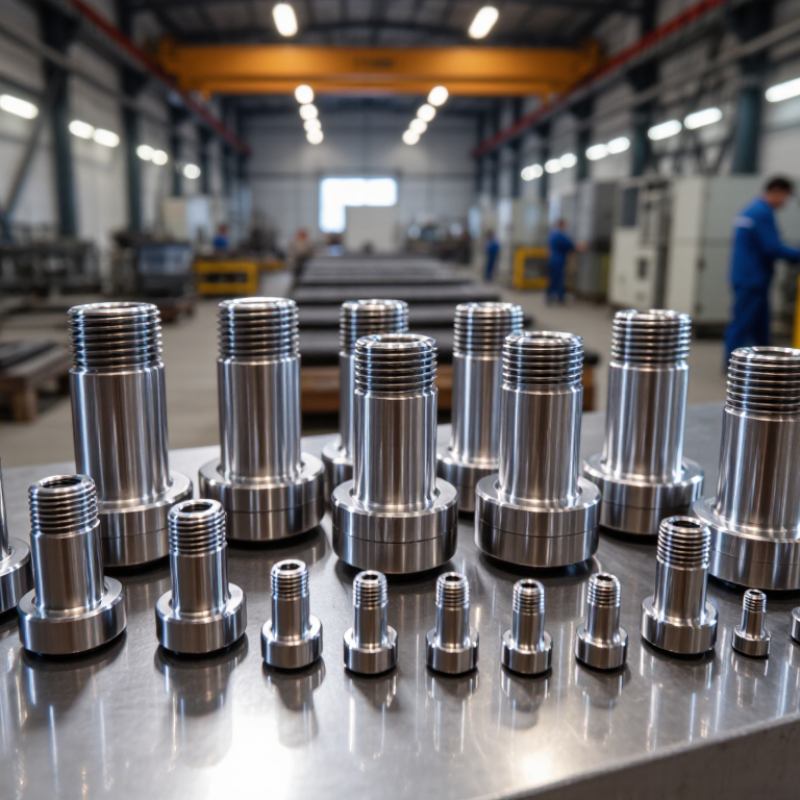
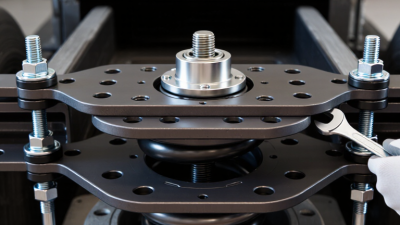
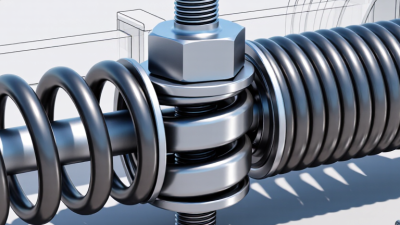
Before contacting a truck center bolt supplier, define the bolt’s exact job in the assembly. Record the required length, shank diameter, thread diameter, pitch, and head style. A clear drawing helps prevent small but costly mismatches. Include the vehicle or suspension application, too, since fit depends on the surrounding parts.
Set material, strength, hardness, and corrosion-resistance requirements using your engineering documents. Do not rely on a generic grade description; confirm the applicable standard and acceptance limits with a qualified engineer. Specify the coating and its thickness if the bolt must resist road salt or moisture. Details matter. Ask how the supplier checks dimensions, thread fit, and mechanical properties, and request inspection records for the production lot. A sample can reveal fit issues, but it cannot replace documented testing. One detail is easy to miss: tolerances should be stated, not assumed. If a drawing leaves them open, clarify before requesting a quotation. Even a well-made bolt may not suit your assembly when its specifications are vague.
| Specification Area | What to Define | Example Requirement | How to Verify It |
|---|---|---|---|
| Application and fitment | Vehicle or axle application, leaf-spring pack arrangement, and the bolt’s position in the assembly. | Truck leaf-spring center bolt; specify the spring-pack drawing, vehicle application, and assembly orientation. | Check the supplier’s drawing against the approved spring or vehicle drawing. Confirm fit with a first-article sample. |
| Nominal diameter and thread | Thread system, nominal diameter, pitch, and thread tolerance. | For example, M16 × 1.5 or 5/8-18 UNF. These are example formats, not universal fitments. | Measure with calibrated thread plug or ring gauges. Confirm the thread callout on the drawing and purchase specification. |
| Overall length and threaded length | Length under the head, usable thread length, and any unthreaded shank length. | Set the length from the actual spring-pack stack height and required nut engagement; state dimensions in millimetres or inches. | Inspect using a calibrated caliper or length gauge. Confirm that the nut engages the specified number of threads after assembly. |
| Head and locating features | Head style, head diameter and height, square-neck or other anti-rotation feature, and feature dimensions. | Specify the required head shape and locating-feature dimensions from the assembly drawing; do not rely on a generic description such as “standard head.” | Check critical dimensions with gauges or a coordinate measuring machine, and conduct a fit check in the mating spring seat or plate. |
| Material and mechanical properties | Material grade, heat treatment, hardness range, and required tensile or proof-load performance. | Define the material and mechanical-property targets on the approved drawing or purchase specification. Where ISO 898-1 property classes are specified for an applicable fastener design, class 8.8 has a minimum tensile strength of 800 MPa and nominal yield strength of 640 MPa. | Request material test certificates and lot-based mechanical test results. Confirm that the selected standard and property class are appropriate for the center-bolt design and application. |
| Surface finish and corrosion protection | Coating type, thickness or performance requirement, appearance, and any restrictions on hydrogen-embrittlement-sensitive processes. | Specify the required coating and corrosion test criterion; zinc-flake coating is one option used for fasteners. Avoid selecting a finish by color alone. | Review coating test reports and process records. For high-strength parts, document the coating process and the applicable hydrogen-embrittlement controls. |
| Dimensional tolerances | Tolerances for critical dimensions, thread class, and any drawing-specific geometric requirements. | Identify critical-to-fit dimensions on the drawing and assign tolerances; use the applicable thread standard and tolerance class stated in the specification. | Review the supplier’s inspection plan and measurement records. Check samples using calibrated instruments and suitable thread gauges. |
| Load and durability requirements | Service loads, installation method, tightening procedure, and any required fatigue or durability testing. | Set performance limits from the vehicle or spring-system engineering requirements; do not substitute an assumed torque value for the approved assembly procedure. | Request test methods, acceptance criteria, and traceable test reports. Validate the assembly under the relevant application conditions. |
| Quality documentation and traceability | Inspection frequency, batch identification, certificates, nonconformance handling, and change-control requirements. | Require lot numbers that link finished bolts to material, heat-treatment, coating, and inspection records. | Review sample inspection reports, material certificates, process records, and the supplier’s traceability procedure before approval. |
| Sample approval and production control | Prototype quantity, first-article approval, production inspection plan, and rules for notifying the buyer of changes. | Approve a representative sample made with the intended production process before releasing regular production orders. | Compare the approved sample and drawing with production parts. Require written approval before changes to material, tooling, heat treatment, or coating. |
Note: The example thread sizes and property-class values are reference examples, not universal truck center-bolt specifications. Final dimensions, materials, performance limits, and acceptance criteria should be confirmed against the application-specific engineering drawing and applicable standards.