10 Best Galvanized Square Bolts for Global Buyers
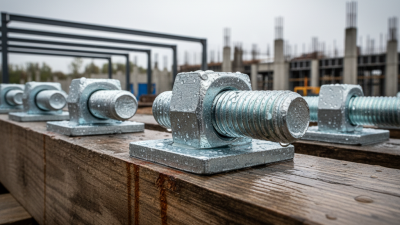
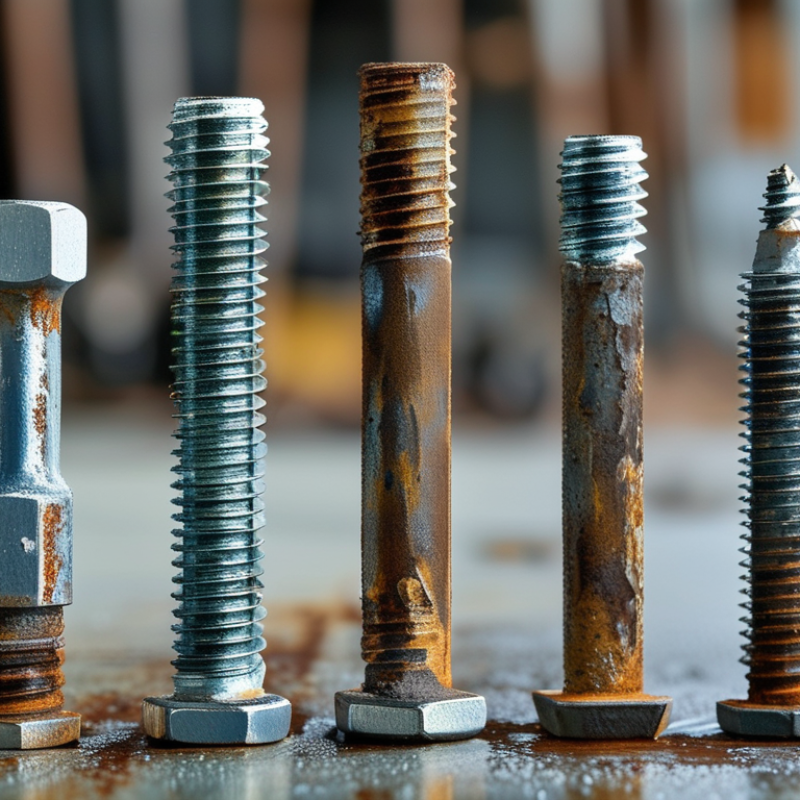
Galvanized Square Bolts remain practical choices for outdoor construction, agricultural equipment, utility frames, and industrial repairs. Their zinc coating helps shield carbon-steel cores from moisture, abrasion, and early rust. However, “galvanized” does not mean permanently corrosion-proof. Coating thickness, thread quality, installation torque, and drainage still matter.
The NACE IMPACT study estimated global corrosion costs at approximately US$2.5 trillion annually, equal to 3.4% of global gross domestic product. Gerhardus Koch, a corrosion engineering expert and lead author of that study, stated, “Corrosion costs can be reduced by 15 to 35 percent through proper corrosion management practices.” That warning applies directly to fastener selection. A low-cost bolt can become expensive when replacement requires shutting down equipment or dismantling a steel frame.
This guide evaluates 10 Best Galvanized Square Bolts for Global Buyers through measurable purchasing details. We consider ASTM A307 compatibility, ASTM A153 coating expectations, ISO 1461 references, dimensional consistency, thread engagement, packaging, and supplier documentation. The American Galvanizers Association explains that hot-dip galvanizing creates a metallurgically bonded zinc coating, not merely painted protection. That difference matters around exposed threads and sharp corners.
Look closely at the details.
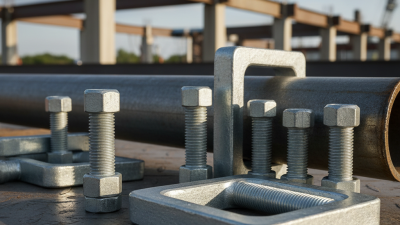
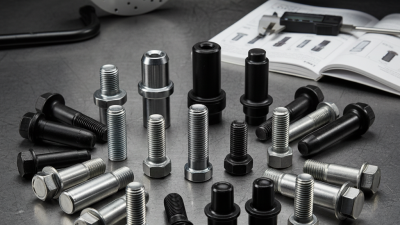
A dependable square bolt should seat firmly under a square nut or timber connection. Its head should resist turning during installation. Zinc coverage should appear continuous, without heavy drips blocking the threads. Still, no ranking can remove every trade-off. Some products offer stronger steel, while others provide better coating uniformity or wider size availability. Buyers should verify certificates, coating standards, and local environmental conditions before placing large orders.
What Galvanized Square Bolts Are and How They Work
Galvanized square bolts are steel fasteners protected by a zinc coating. The coating separates the steel from moisture, oxygen, and road salt. A square head gives a wrench a broad, stable contact area. Some designs use a square neck beneath the head, which locks into timber or a prepared hole.
When installed, the threaded shaft passes through joined materials. A matching nut tightens against the opposite surface. This creates clamping force and keeps the connection from separating under vibration or moderate load. The square head or neck helps prevent unwanted rotation while the nut is turned. That small feature saves time during installation.
Hot-dip galvanizing usually creates a thicker zinc layer than electroplating. It suits outdoor frames, agricultural equipment, fencing, and general construction. However, coating thickness can affect thread fit. I always check the bolt diameter, thread pitch, head dimensions, and nut compatibility before ordering in bulk. A bolt may look correct but still fail a practical fit test. Measure it.
For global buyers, request material details, coating information, dimensional tolerances, and inspection records. Packaging also matters. Damp cartons can encourage white corrosion before installation. I have seen apparently clean fasteners arrive with damaged threads after careless handling. That mistake is avoidable. Storage should remain dry, ventilated, and separated from corrosive chemicals. Structural applications need qualified engineering review, because zinc protection cannot correct an undersized bolt or poor joint design.
Key Standards and Specifications for Global Buyers
10 Best Galvanized Square Bolts for Global Buyers
Key Standards and Specifications for Global Buyers
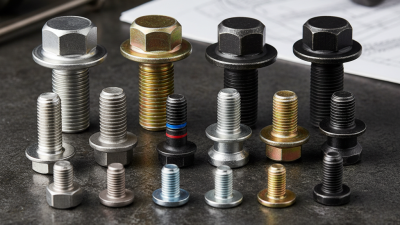
Choosing the best galvanized square bolt starts with identifying the correct head and neck design. Square-head bolts suit wrench access, while square-neck carriage bolts resist turning inside timber or sheet metal. Confirm the drawing before ordering. The names are sometimes used loosely.
For metric products, check diameter, pitch, length, and thread tolerance against ISO specifications. For inch-based projects, verify UNC or UNF threads and dimensional requirements under applicable ASME standards. Mechanical performance should match the required property class or grade, such as ISO 898-1 or ASTM requirements. Do not judge strength from appearance alone. Request mill certificates, tensile results, and batch traceability.
The zinc coating needs equal attention. Hot-dip galvanizing commonly follows ISO 1461 or ASTM A123-type requirements, while fastener-specific coatings may follow ASTM F2329. Confirm coating thickness, thread allowance, and whether the nut is tapped oversize. Electro-galvanized bolts usually have a thinner coating than hot-dip products. Salt-spray hours can help comparison, but they do not predict every outdoor condition. Coastal air, trapped moisture, and damaged threads change performance.
Ask suppliers for dimensional inspection records, coating reports, and packaging details. Crushed cartons can expose sharp threads before installation. A small uncertainty remains: standards differ by market and application. Recheck the project specification, washer fit, and tightening method before approving the shipment.
How to Evaluate the 10 Best Galvanized Square Bolts
To evaluate the 10 best galvanized square bolts, start with coating quality, not appearance. A bright surface can still hide thin coverage. ISO 1461 specifies an average zinc thickness of 85 micrometres for steel sections above 6 millimetres. ISO 10684 addresses hot-dip galvanized fasteners more directly. Ask suppliers for coating measurements, batch numbers, and test results. That is practical evidence.
Check the bolt’s base steel, dimensions, thread accuracy, and head seating. Square heads should grip firmly under a wrench, even with work gloves. Measure the across-flats size with calipers. Inspect threads for zinc buildup, burrs, or forced re-cutting. The American Galvanizers Association reports that hot-dip galvanized steel can serve over 50 years in many rural conditions. Industrial and marine exposure can shorten that period sharply. Environment changes the ranking.
Use ASTM F606/F606M methods when reviewing tensile and proof-load data. Compare zinc thickness, strength grade, dimensional tolerance, and package traceability. Do not rank a bolt by price alone. A cheaper batch may require extra washers or replacement labor. Test several samples from each candidate. One perfect bolt proves little. I would also record installation torque, because galvanized threads can produce inconsistent clamping force. This point is easy to underestimate. My evaluation method is useful, but not flawless; local salt levels, storage moisture, and installer technique can alter real performance.
Comparing Coatings, Materials, Sizes, and Load Performance
Global buyers comparing the 10 best galvanized square bolts should examine coating, steel grade, dimensions, and verified load data together. Hot-dip galvanizing normally provides a thicker zinc layer than electroplating. ASTM A153/A153M and ISO 1461 specify coating requirements, but their tables differ. A buyer should not compare thickness values without checking the test method.
Zinc thickness affects corrosion resistance and thread fit. For example, ISO 1461 uses minimum local coating values based on steel thickness. ASTM A153/A153M also separates fasteners by diameter and manufacturing category. Centrifuged bolts usually receive more uniform coatings. Excess zinc may still make nuts bind. Clean, accurately gauged threads matter.
Steel strength controls load performance more directly than coating thickness. ASTM F606/F606M describes mechanical testing methods, including proof-load and tensile testing. Buyers should request test certificates showing grade, nominal diameter, proof load, and failure results. A 12-millimeter bolt with a heavier coating is not automatically stronger than an uncoated bolt of the same size.
Check the details.
The U.S. Geological Survey’s Mineral Commodity Summaries identifies corrosion protection as a major zinc application, reflecting zinc’s industrial importance. However, corrosion life varies with humidity, salt exposure, temperature, and damaged areas. In coastal projects, I would specify hot-dip coating and inspect cut edges carefully. My earlier assumption was that thicker zinc always meant better value. That is too simple. Freight costs, washer clearance, nut compatibility, and batch traceability can change the purchasing decision.
10 Best Galvanized Square Bolts for Global Buyers
Comparing coatings, materials, sizes, and estimated tensile load performance
Electro-galvanized, typically 5–15 μm zinc
Mechanically galvanized, typically 25–50 μm zinc
Hot-dip galvanized, typically 40–85 μm zinc
The chart compares metric square-head bolt configurations using carbon steel property class 4.6.
Estimated ultimate tensile load is calculated from ISO metric coarse-thread tensile-stress areas and a nominal minimum tensile strength of 400 MPa.
Zinc coating improves corrosion resistance but does not materially increase the bolt’s structural tensile capacity. Actual design loads must account for thread engagement, shear, joint friction, installation torque, corrosion exposure, and safety factors.
Reference basis: ISO 898-1 mechanical properties, ISO 724 nominal thread dimensions, and common galvanized-fastener coating practices.
Choosing the Right Supplier, Price, and Certification Level
10 Best Galvanized Square Bolts for Global Buyers
Choosing the right galvanized square bolt starts with the supplier, not the catalogue photo. Ask for steel grade, dimensions, thread tolerance, and coating method. A reliable supplier should provide batch traceability and clear inspection records. Request mill test reports, coating-thickness results, and dimensional inspection data before placing a large order. ISO 9001 certification can indicate controlled processes, but it does not prove every bolt meets your project requirements. Check the exact product standard instead.
Price needs a wider view. Compare the unit price, packaging, freight, import duties, and inspection costs. A cheaper bolt may have thin zinc coverage or inconsistent threads. That mistake becomes expensive during installation. For outdoor or humid applications, confirm whether hot-dip galvanizing is required. ASTM A153 or ISO 1461 may be relevant, depending on the destination market and product design. Also verify mechanical performance, head dimensions, and thread compatibility with local engineering specifications.
Tips: Ask for three samples. Measure the coating. Test the threads. Review recent production photos and audit records, not only polished certificates. A supplier should explain rejected-batch handling without hesitation. I would also request a small trial shipment before approving container quantities. It is slower, but assumptions often fail at scale. Certification language can be confusing, so have an engineer or qualified inspector review unclear documents.